
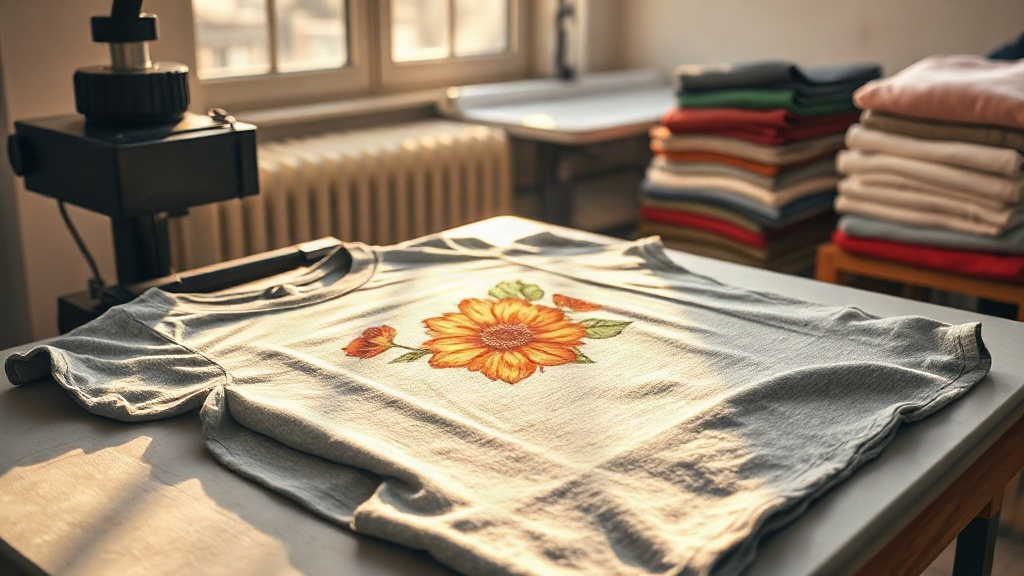
If you've ever pulled a heat press open only to find a cracked, faded, or oddly stiff print, you know the frustration. The culprit isn't always your transfer film or your press settings. More often than you'd think, it's the blank itself. That's where the idea of smart blanks comes in. These aren't just any t-shirts; they're garments engineered with the right fiber content, weave, and finish to work in harmony with your transfers. In this post, we'll unpack what makes a blank smart, why Shaka Wear has become a go-to for printers, and how to get flawless results with DTF transfers every single time.
What Are Smart Blanks?
Walk into any craft store and you'll see shelves stacked with inexpensive tees. They look fine, feel soft, and cost little. But press a transfer onto them and the truth comes out. Some fabrics repel ink, others scorch easily, and many shrink unpredictably. A smart blank is different. It's a garment that has been designed with decoration in mind. That means consistent fabric weight, tight weave, and a surface that accepts adhesive and ink without fighting back.
Smart blanks typically share a few traits. They're made from ring-spun cotton or a high-quality cotton-poly blend. The yarns are combed to remove impurities, resulting in a smooth face. They're pre-shrunk or minimally shrinkable, so your placement stays true after washing. And they hold their shape, which matters when you're pressing a large design across the chest. When you combine these blanks with DTF transfers, you set yourself up for a print that looks professional and lasts.
Why Fabric Content Matters for DTF
DTF transfers are essentially a printed film of pigment and adhesive. When heat is applied, the adhesive melts and bonds to the fabric fibers. If the fabric is 100% cotton, the bond is usually strong. But if the fabric has a high polyester content, the adhesive may not penetrate as deeply, leading to premature peeling. Conversely, some polyesters are treated with silicone or other finishes that actively repel adhesives. Smart blanks avoid these issues by using fabrics that are known to be DTF-friendly, such as combed ring-spun cotton or specific poly blends that have been tested for adhesion.
The Role of Weave and Weight
Fabric weave affects how the transfer sits on the surface. A loose, open weave allows the adhesive to sink in, which can cause the print to look textured or even fall apart. A tight weave, like that found in many smart blanks, keeps the transfer on top, resulting in crisp lines and vibrant colors. Weight also plays a part. Heavier fabrics (think 5.5 oz and up) provide a stable base that resists stretching during pressing. Lighter fabrics may shift, causing the transfer to misalign.
Why Shaka Wear Stands Out
Among the many blank brands available, Shaka Wear has earned a strong following among decorators. Their tees are known for being heavyweight, durable, and consistent from batch to batch. The 7.5 oz max heavyweight tee, for example, is a favorite for DTF because it provides a substantial canvas that holds up to high heat and pressure without scorching. The fabric is also tightly knit, which minimizes the chance of the transfer sinking in and losing detail.
Another reason Shaka Wear excels is its color range. From classic black and white to trendy heathers and neons, the blanks are dyed evenly, so your transfers pop without the fabric color bleeding through. And because they're made from 100% cotton (in most styles), they bond well with DTF transfers. If you're printing for a client who wants a retail-ready feel, Shaka Wear delivers.
Top Shaka Wear Styles for DTF Printing
- Shaka Wear Max Heavyweight Tee (SHMHSS): 7.5 oz, 100% cotton, tight weave. Ideal for large, detailed transfers.
- Shaka Wear Crewneck Tee (SHCSS): 5.5 oz, 100% cotton. A lighter option that still presses beautifully.
- Shaka Wear Hoodie (SHHFT): 10 oz fleece. Great for DTF on hoodies, though you may need to adjust pressure.
How to Choose the Right Smart Blank for Your Project
Not all smart blanks are the same, and the best choice depends on your design and end use. Here are key factors to consider.
1. Fiber Content
For DTF, 100% cotton or a cotton-poly blend with at least 50% cotton is safest. High-poly fabrics (like 100% polyester performance wear) can work, but they often require lower temperatures and specialist adhesives. If you're unsure, test a swatch before committing to a full run.
2. Fabric Finish
Some blanks are treated with softeners or stain-resistant coatings that interfere with adhesion. Smart blanks from reputable brands like Shaka Wear typically have minimal finishes, so the adhesive can do its job. Avoid blanks that feel slick or waxy; they're likely to cause peeling.
3. Color and Opacity
Light-colored blanks allow the transfer's colors to shine, while dark blanks may require a white underbase (which DTF transfers already include). However, if the blank is dyed inconsistently, you might see blotches. Smart blanks have uniform dye lots, so your final product looks clean.
4. Size and Fit
Your blank should match the intended fit. A tight-fitting tee may stretch during pressing, distorting the transfer. Look for blanks that hold their shape, like those with a tight knit and substantial weight. Shaka Wear tees are known for keeping their form, even after multiple washes.
Step-by-Step: Applying DTF Transfers to Smart Blanks
Even with the best blank, technique matters. Follow these steps for a professional finish.
- Pre-press the blank: This removes moisture and wrinkles. Set your press to 300°F (150°C) and press for 5-7 seconds.
- Position the transfer: Place the DTF transfer face down on the fabric. Use heat tape if needed to keep it in place.
- Press: Apply medium to firm pressure for 15-20 seconds at 300-320°F (150-160°C).
- Peel: Wait 10-15 seconds for the transfer to cool slightly, then peel the film in a smooth, consistent motion. If you peel too hot, the adhesive may string; too cold, and it may crack.
- Post-press: For extra durability, cover the design with parchment paper and press again for 5-10 seconds. This helps the adhesive fully cure.
Always test with your specific blank and transfer combination. Different presses and films can behave differently.
Common Pitfalls and How to Avoid Them
Even seasoned printers run into issues. Here are some frequent problems and their solutions.
- Peeling after wash: Usually caused by insufficient pressure or too low a temperature. Increase pressure and ensure your press is calibrated.
- Cracking: Often due to over-stretching the fabric during pressing or using a blank with poor elasticity. Choose smart blanks with good recovery.
- Dull colors: May indicate the transfer was pressed too hot, scorching the ink. Lower the temperature and check your press's accuracy.
- Adhesive residue: If the film leaves a sticky residue, you may have pressed too long. Reduce time and try again.
Keeping a log of your settings for each blank type will help you dial in the perfect recipe.
Why Smart Blanks and DTF Are a Winning Combination
DTF transfers offer incredible detail and color without the setup costs of screen printing. But they demand a compatible surface. Smart blanks provide that surface, ensuring your transfers look sharp and stay put. When you pair high-quality blanks with DTF transfers, you get a finished product that rivals retail apparel. And with brands like Shaka Wear offering consistent quality, you can scale your production without worrying about variability.
Investing in smart blanks isn't just about better prints; it's about happier customers and fewer returns. Whether you're printing for a local team or building a clothing brand, the blank you choose sets the foundation for everything else.
Frequently Asked Questions
Can I use DTF transfers on 100% polyester shirts?
Yes, but you'll need to adjust your process. Polyester is heat-sensitive, so lower your press temperature to around 280°F (140°C) and use a shorter press time (10-12 seconds). Also, some polyester fabrics have a slick finish that repels adhesive, so test first. For best results, choose a poly-rich blank that's designed for DTF, or stick with cotton blends.
How do I know if a blank is "smart" for DTF?
Look for these signs: a tight weave, minimal surface finish, and a fiber content of at least 50% cotton. Reputable brands like Shaka Wear often label their blanks as DTF-friendly. If you're unsure, press a small test transfer and wash it a few times to check durability.
What's the best way to store DTF transfers before use?
Keep them in a cool, dry place away from direct sunlight. Humidity can cause the adhesive to become tacky, and heat can pre-cure it. Store flat or rolled, not folded, to prevent creasing. A sealed plastic bag works well for short-term storage.
Why do my DTF transfers feel stiff on some blanks?
Stiffness often comes from the adhesive layer sitting on top of the fabric rather than bonding into it. This can happen if the blank has a loose weave or if you didn't apply enough pressure. Using a smart blank with a tight weave and ensuring firm pressure during pressing will help the adhesive penetrate slightly, resulting in a softer hand.
Can I stretch a DTF print on a smart blank?
DTF transfers have some stretchability, but they're not as elastic as the fabric itself. If you stretch the garment excessively, the print may crack over time. Choose blanks with good recovery (like those from Shaka Wear) and avoid over-stretching during pressing. For athletic wear, consider a transfer designed for stretch fabrics.