dtfmaxprint.com

Uncategorized

62 posts

Print on demand platforms: Features, Fees, and Fulfillment

Print on demand platforms: Features, Fees, and Fulfillment

Print on demand platforms have transformed how creators, entrepreneurs, and small businesses bring products to market by pairing accessible design tools with an efficient, turnkey production and fulfillment network.When you start comparing options, focus on three pillars that often determine long-term success: features, fees, and fulfillment, because these elements shape margins, speed, and the ability to scale with confidence.

Scale a Print on Demand Business: Systems & Growth

Scale a Print on Demand Business: Systems & Growth

Scale a print on demand business isn't about racing to bigger numbers; it's about building repeatable, efficient systems that can absorb growing orders without sacrificing quality, ensuring your brand experiences consistency, faster turnarounds, and healthier margins even as demand expands across channels and seasons, with clear cues for when to scale capacity and where to invest in better materials, training, and partnerships.A clear blueprint guides everything from product design and supplier partnerships to order routing, fulfillment, and customer service, weaving in print on demand systems, standardized design templates, automated proofs, and POD automation so operators—whether in house or with partners—can keep pace as orders scale, maintain color accuracy, meet tight deadlines, and deliver consistent packaging that reinforces brand trust across marketplaces and direct storefronts.

DTF Print Quality: Mastering Resolution, Color, Sharpness

DTF Print Quality: Mastering Resolution, Color, Sharpness

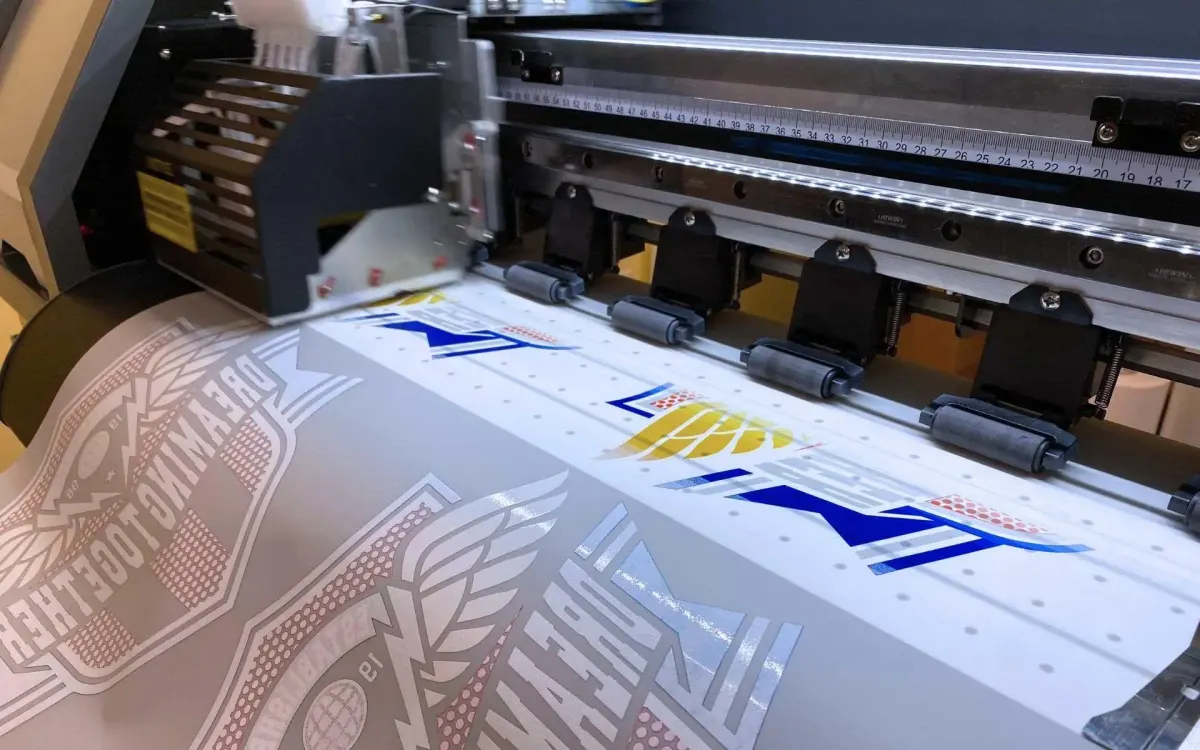
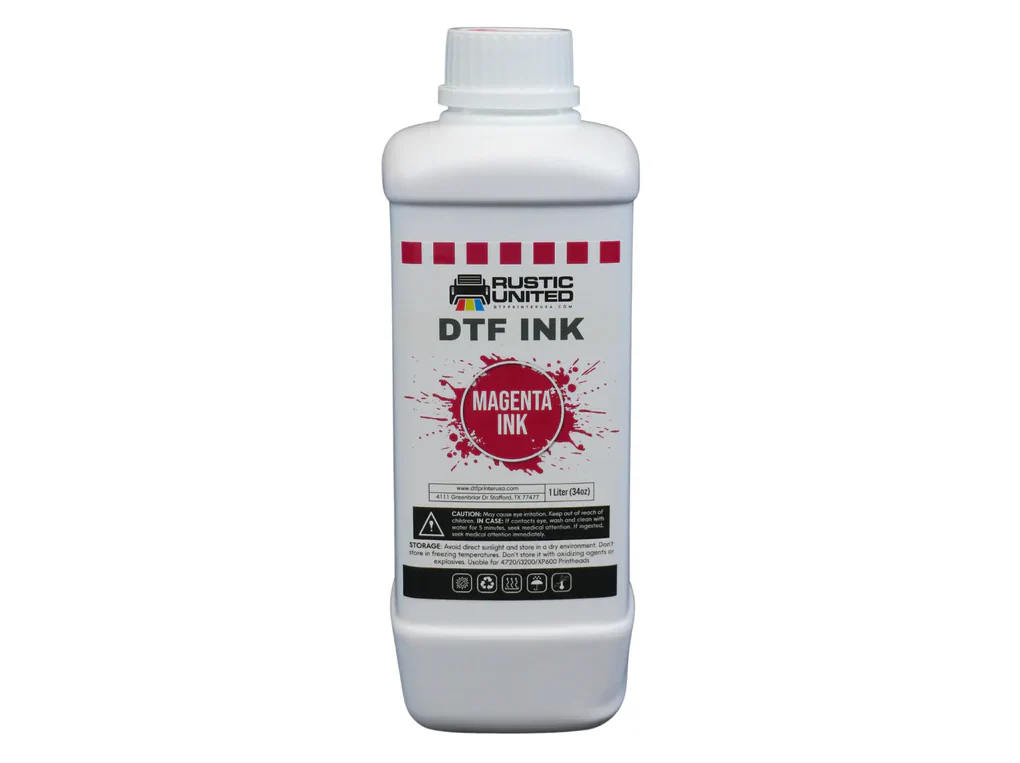
DTF print quality hinges on a careful balance of artwork prep, film selection, ink formulation, substrate interaction, and transfer parameters to deliver crisp detail across fabrics, whether you’re printing a small focal logo on a jersey or a full-coverage design on a hoodie, and it begins long before you press the garment, with decisions that shape every subsequent stage, including file formats, color profiles, and exposure settings that determine eventual texture and fidelity, all of which set the baseline for a successful run.To set the stage for success, designers should start with clean, high-resolution artwork, properly embedded color profiles, a consistent RIP workflow, and a preflight checklist that minimizes compression artifacts, tonal shifts, and misalignments, because even minute deviations in input or media can echo through the print and influence perceived quality more than most operators realize.