
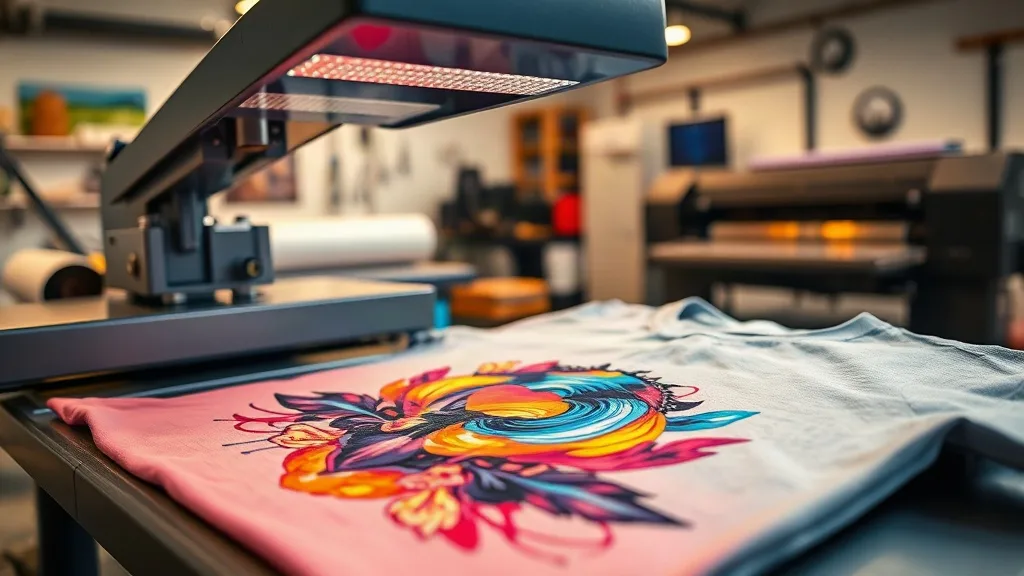
Custom apparel has never been more accessible, thanks to dtf transfers. Whether you're a small business owner, a hobbyist, or someone looking to create personalized gifts, understanding this printing method can open up a world of possibilities. In this guide, we'll dive deep into what DTF transfers are, how they work, and why they might be the perfect solution for your next project.
What Are DTF Transfers?
DTF stands for Direct to Film. It's a printing technology where your design is printed onto a special film, coated with adhesive powder, and then heat-pressed onto the fabric. Unlike DTG (Direct to Garment) or screen printing, DTF transfers can be applied to a wide range of materials, including cotton, polyester, blends, and even nylon. This versatility makes them a favorite among crafters and professionals alike.
The DTF Printing Process
The process begins with a digital printer that lays down CMYK and white ink onto a PET film. The white ink acts as a base, allowing the colors to pop on dark garments. After printing, a thermoplastic polyurethane (TPU) powder is applied to the wet ink. This powder is the key to the transfer's durability and stretchability. Once the powder is melted, the film is ready to be pressed onto the fabric using a heat press. The result is a soft, vibrant, and long-lasting print.
Why Choose DTF Transfers?
There are several reasons why dtf transfers have gained immense popularity in recent years. Let's explore the key benefits.
1. Unmatched Versatility
One of the biggest advantages of DTF transfers is their ability to adhere to almost any fabric. Whether you're working with 100% cotton t-shirts, polyester sportswear, or even leather, DTF can handle it. This eliminates the need for multiple printing methods and simplifies your production process.
2. Vibrant Colors and Fine Details
DTF transfers produce incredibly vibrant colors and sharp details. Because the white ink base is printed underneath the colors, even the most intricate designs stand out on dark backgrounds. This makes DTF ideal for complex logos, photographs, and gradient designs.
3. Durability and Washability
When applied correctly, DTF transfers are highly durable. They can withstand repeated washing without fading, cracking, or peeling. The TPU powder creates a strong bond with the fabric, ensuring the print remains intact for the life of the garment.
4. Cost-Effective for Small Batches
Unlike screen printing, which requires separate screens for each color and can be expensive for small runs, DTF transfers are cost-effective even for a single shirt. You can print one-off designs without incurring high setup costs. This makes DTF perfect for personalized gifts, sample production, and small businesses.
5. Easy to Use
With a heat press and a DTF printer, you can produce transfers in-house. The learning curve is relatively gentle, and many suppliers offer pre-printed transfers if you don't want to invest in a printer. This accessibility has made DTF a go-to method for DIY enthusiasts.
Applications of DTF Transfers
DTF transfers are used in a variety of industries and applications. Here are some common uses:
- Custom T-shirts: Create unique designs for events, teams, or personal wear.
- Sportswear: Add numbers, names, and logos to jerseys and activewear.
- Corporate Apparel: Brand uniforms, polo shirts, and jackets with company logos.
- Fashion: Enhance denim jackets, tote bags, and hats with intricate patterns.
- Promotional Items: Personalize mousepads, aprons, and more for marketing campaigns.
How to Apply DTF Transfers: Step-by-Step
Applying DTF transfers is straightforward, but following the correct steps ensures a professional finish. Here's a detailed guide:
Step 1: Prepare Your Workspace
Set up your heat press on a stable surface. Ensure it's clean and free of debris. Preheat the press to the recommended temperature, usually between 300°F and 350°F (150°C to 175°C).
Step 2: Pre-Press the Garment
Pre-pressing removes moisture and wrinkles from the fabric. This step is crucial for proper adhesion. Press the garment for 5-10 seconds.
Step 3: Position the Transfer
Place the DTF transfer on the garment with the printed side facing up. If your transfer has a white backing, that's the side that goes against the fabric. Use heat-resistant tape to secure it if needed.
Step 4: Apply Heat and Pressure
Press the transfer at the recommended temperature for 10-15 seconds with medium to heavy pressure. The exact time and temperature may vary depending on the film and powder used, so always check the supplier's instructions.
Step 5: Peel the Film
After pressing, allow the transfer to cool completely before peeling off the film. This is known as a cold peel. Some films require a hot peel, so again, follow the specific guidelines. Peel slowly and evenly to avoid lifting the design.
Step 6: Post-Press for Durability
For added durability, you can cover the design with a Teflon sheet or parchment paper and press again for 5-10 seconds. This ensures the powder fully melts and bonds with the fabric.
Common Mistakes to Avoid
Even though DTF is user-friendly, some common pitfalls can ruin your results. Here's what to watch out for:
- Insufficient Pressure: Without enough pressure, the transfer won't adhere properly. Adjust your heat press accordingly.
- Wrong Temperature: Too hot or too cold can cause poor adhesion or damage the fabric. Always test with a scrap piece.
- Peeling Too Early or Too Late: Follow the recommended peel type (hot or cold) for your specific film.
- Not Pre-Pressing: Skipping pre-press can lead to moisture trapped between the transfer and fabric, causing peeling.
- Using the Wrong Fabric: While DTF works on many fabrics, some delicate materials like silk or certain synthetics may not withstand the heat. Always test first.
DTF vs. Other Printing Methods
How does DTF stack up against other popular printing techniques? Let's compare.
DTF vs. DTG
DTG (Direct to Garment) prints directly onto the fabric, which limits it mostly to cotton. DTF can be used on a wider range of materials and often produces more vibrant colors on dark garments. However, DTG may have a softer feel on cotton. Both have their place, but DTF's versatility gives it an edge for mixed-material projects.
DTF vs. Screen Printing
Screen printing is cost-effective for large orders but requires separate screens for each color, making it expensive for small batches. DTF shines in short runs and complex designs with many colors. Screen printing can offer a slightly more durable finish on certain fabrics, but DTF has closed the gap significantly.
DTF vs. Vinyl
Heat transfer vinyl (HTV) is another popular method for custom apparel. HTV requires weeding, which can be time-consuming for intricate designs. DTF eliminates weeding and allows for full-color, photographic prints. HTV is great for simple shapes and text, while DTF excels at detailed artwork.
Choosing the Right DTF Supplies
The quality of your DTF transfers depends heavily on the supplies you use. Here's what to consider:
DTF Printer
If you're printing your own transfers, you'll need a DTF printer. These printers use special inks and films. Popular brands include Epson and Roland, but there are also dedicated DTF printers from companies like Vivid and STS. Research your options based on your budget and production volume.
DTF Film
DTF film comes in two types: hot peel and cold peel. Cold peel film is more common and allows the transfer to cool before peeling, which can be more forgiving. Hot peel film requires immediate peeling after pressing. Choose based on your workflow and preferences.
DTF Powder
The TPU powder is crucial for adhesion and durability. It comes in different particle sizes; finer powders are generally better for detailed designs. Make sure to store it in a dry place to prevent clumping.
Heat Press
A quality heat press with even pressure and accurate temperature control is essential. You don't need the most expensive model, but avoid cheap presses that can't maintain consistent heat.
Tips for Perfect DTF Transfers
To ensure your DTF transfers come out flawless every time, keep these tips in mind:
- Test Your Settings: Every heat press and film combination is slightly different. Always do a test press on a scrap fabric to dial in the perfect temperature, pressure, and time.
- Use a Teflon Sheet: Placing a Teflon sheet over the transfer during the press protects the film and prevents sticking.
- Store Transfers Properly: Keep unused transfers in a cool, dry place away from direct sunlight. Moisture can affect the powder.
- Wash Inside Out: To prolong the life of your DTF-printed garments, wash them inside out in cold water and avoid using bleach or fabric softeners.
- Consider a Pre-Treatment: For some fabrics, especially those with a lot of texture, a pre-treatment spray can improve adhesion. However, DTF generally doesn't require pre-treatment.
Frequently Asked Questions
What is the difference between DTF and DTG printing?
DTF (Direct to Film) involves printing onto a film, powdering, and heat-pressing onto the fabric. DTG (Direct to Garment) prints directly onto the fabric. DTF works on more fabric types and often yields more vibrant colors on dark materials, while DTG is typically limited to cotton and may have a softer feel.
Can I use DTF transfers on polyester?
Yes, DTF transfers adhere well to polyester and polyester blends. The low-temperature application (compared to some other methods) makes it suitable for synthetic fabrics that might be sensitive to high heat.
How long do DTF transfers last?
When applied correctly and cared for properly, DTF transfers can last as long as the garment itself. They resist cracking, fading, and peeling through many washes. Following washing instructions (cold water, inside out, no bleach) will maximize longevity.
Do I need a special printer for DTF?
Yes, DTF printing requires a printer that uses DTF inks and can handle PET film. You can also buy pre-printed DTF transfers from suppliers if you don't want to invest in a printer. Many small businesses start with pre-printed transfers and later upgrade to their own printer.
What is the best way to store DTF transfers?
Store DTF transfers in a cool, dry place, away from direct sunlight and moisture. Keep them flat or rolled loosely to prevent creasing. Proper storage ensures the powder remains effective and the film doesn't warp.
Conclusion
DTF transfers have revolutionized the custom apparel industry with their versatility, vibrant colors, and ease of use. Whether you're a seasoned professional or just starting out, incorporating DTF into your workflow can expand your creative possibilities. By understanding the process, avoiding common mistakes, and using quality supplies, you can achieve stunning, durable results that impress your customers. So why not give DTF a try for your next project? With the right knowledge and tools, you'll be creating professional-grade apparel in no time.