
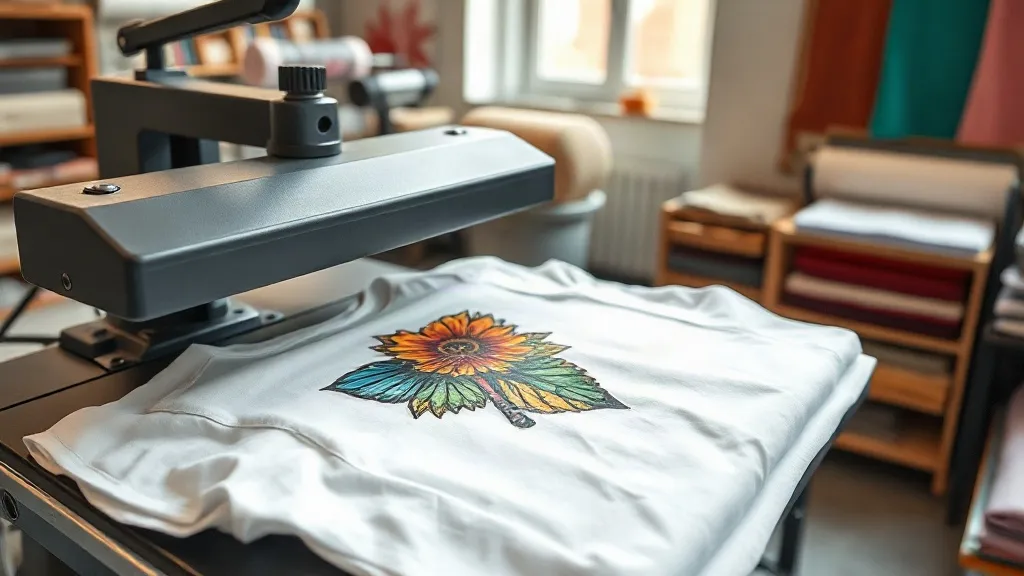
Imagine pressing a vivid, full-color design onto a cotton t-shirt in under a minute, without the hassle of weeding or layering. That's the promise of dtf printing, a technology that has taken the custom apparel world by storm. Whether you're a small business owner, a hobbyist, or just curious about the latest in garment decoration, understanding dtf transfers can open up a world of creative possibilities.
In this guide, we'll walk you through everything you need to know about DTF transfers: what they are, how they compare to other methods, and how to apply them like a pro. By the end, you'll be ready to experiment with this versatile technique and maybe even start your own printing projects.
What Are DTF Transfers?
DTF stands for Direct to Film. It's a printing process where your design is printed onto a special film, coated with a powder adhesive, and then heat-pressed onto fabric. Unlike DTG (Direct to Garment) or screen printing, DTF doesn't require pretreating the garment or using specialized inks for different fabrics. The result is a soft, stretchable print that bonds well to cotton, polyester, and blends.
The magic happens in two steps: first, a printer lays down a layer of white ink, followed by CMYK colors, onto a PET film. Then, a fine powder is sprinkled over the wet ink, which acts as a glue when melted. After curing, the transfer is ready to be applied with a heat press. This method allows for intricate details and vibrant colors that pop on both light and dark garments.
Why Choose DTF Transfers Over Other Methods?
If you've tried screen printing or vinyl, you know the limitations: screen printing is cost-effective for large orders but expensive for small runs, while vinyl is great for simple designs but struggles with complex gradients. DTF transfers bridge the gap, offering high-quality prints without the setup costs.
Here are some key advantages:
- No color limitations: Print photorealistic images, gradients, and fine lines with ease.
- Fabric versatility: Works on cotton, polyester, blends, and even some synthetic materials.
- Durability: When applied correctly, DTF prints resist cracking, peeling, and fading.
- Cost-effective for short runs: No need for screens or minimum orders.
- Soft feel: The prints are thin and flexible, unlike thick vinyl.
For small businesses or individuals who want to offer custom apparel, DTF transfers provide a low-barrier entry point with professional results.
DTF vs. DTG: What's the Difference?
DTG printing directly applies ink to the garment, which means the fabric must be pretreated for best results. It works best on 100% cotton and can be slow for multiple items. DTF, on the other hand, involves printing on a film first, which can be prepared in advance and stored. This makes DTF more efficient for on-demand production and allows for printing on a wider range of fabrics without pretreatment.
DTF vs. Vinyl: Which Is Better?
Heat transfer vinyl (HTV) is cut from colored sheets, so each color requires a separate layer and precise weeding. This is time-consuming and limits design complexity. DTF transfers are printed in one go, so you can have a full-color image with no weeding. Vinyl might be cheaper for simple one-color designs, but DTF wins for detailed, multi-color artwork.
How to Apply DTF Transfers: Step-by-Step
Applying a DTF transfer is straightforward, but following the right steps ensures a long-lasting print. Here's a detailed guide:
- Preheat your heat press: Set the temperature to around 325°F (160°C) for cotton, or 300°F (150°C) for polyester. Preheat for a few seconds to remove moisture.
- Position the transfer: Place the DTF transfer on the garment with the printed side facing up. If your transfer has a white backing, that's the side that goes against the fabric.
- Press: Apply medium to firm pressure for 15-20 seconds. Use a Teflon sheet or parchment paper over the transfer to protect it.
- Peel: Wait a few seconds for it to cool slightly, then peel the film off in a smooth, steady motion. For a matte finish, peel while hot; for glossy, peel when cold.
- Post-press: Cover the print with parchment and press again for 5-10 seconds to enhance durability.
Always test on a scrap piece of fabric first to dial in your press settings. Different fabrics and transfer brands may require slight adjustments.
Common Mistakes to Avoid
Even seasoned crafters can run into issues. Here are a few pitfalls to watch out for:
- Insufficient pressure: If the transfer doesn't adhere fully, it may peel off after washing. Make sure your press applies even pressure.
- Wrong temperature: Too hot and the film may melt or the ink may scorch; too cold and the adhesive won't activate.
- Peeling too soon or too late: Follow the transfer instructions for hot vs. cold peel, as timing affects the final texture.
- Not pre-pressing: Moisture in the fabric can cause steam pockets and poor adhesion.
By avoiding these mistakes, you'll get consistent, professional-looking results every time.
Choosing the Right DTF Transfer for Your Project
Not all DTF transfers are created equal. Quality varies based on the ink, film, and adhesive powder used. When sourcing transfers, consider the following:
- Ink quality: Look for transfers that use high-opacity white ink for vibrant colors on dark garments.
- Film thickness: Thinner films tend to produce a softer hand feel.
- Adhesive: A good adhesive powder ensures strong bonding and washability.
- Supplier reputation: Read reviews and ask for samples to test durability.
If you're printing your own transfers, invest in a reliable DTF printer and quality supplies. For those who prefer ready-made transfers, many companies offer custom printing services with quick turnaround.
Washing and Caring for DTF Prints
To keep your DTF prints looking fresh, follow these care tips:
- Wait at least 24 hours before washing.
- Turn the garment inside out.
- Machine wash cold with mild detergent.
- Avoid bleach and fabric softeners.
- Tumble dry low or hang to dry.
- Iron on the reverse side, never directly on the print.
With proper care, DTF prints can last as long as the garment itself.
Frequently Asked Questions About DTF Transfers
Can I use DTF transfers on any fabric?
DTF transfers work best on cotton, polyester, and blends. They can also be applied to some synthetic fabrics like nylon, but adhesion may vary. Always test on a small area first.
How long do DTF transfers last?
When applied correctly and cared for properly, DTF transfers can last for years without significant fading or cracking. The key is using quality transfers and following the application and washing instructions.
Do I need a commercial heat press for DTF transfers?
While a commercial heat press gives the most consistent results, you can use a home iron or a craft press for small projects. However, you'll need to apply firm, even pressure and may need to adjust the time and temperature.
Can I layer DTF transfers?
Yes, you can layer DTF transfers to create multi-color designs, but it's often unnecessary because DTF can print full-color images in one go. If you do layer, press each layer separately and ensure proper adhesion.
Are DTF transfers safe for children's clothing?
Yes, DTF transfers are safe for children's clothing as long as they are applied correctly and the inks are non-toxic. Many suppliers offer CPSIA-compliant transfers, so check with your supplier if you're concerned.
DTF transfers have revolutionized the custom apparel industry by making high-quality, full-color printing accessible to everyone. Whether you're a seasoned pro or just starting out, this technology offers endless possibilities for creativity. So why not give it a try? Your next masterpiece is just a heat press away.