
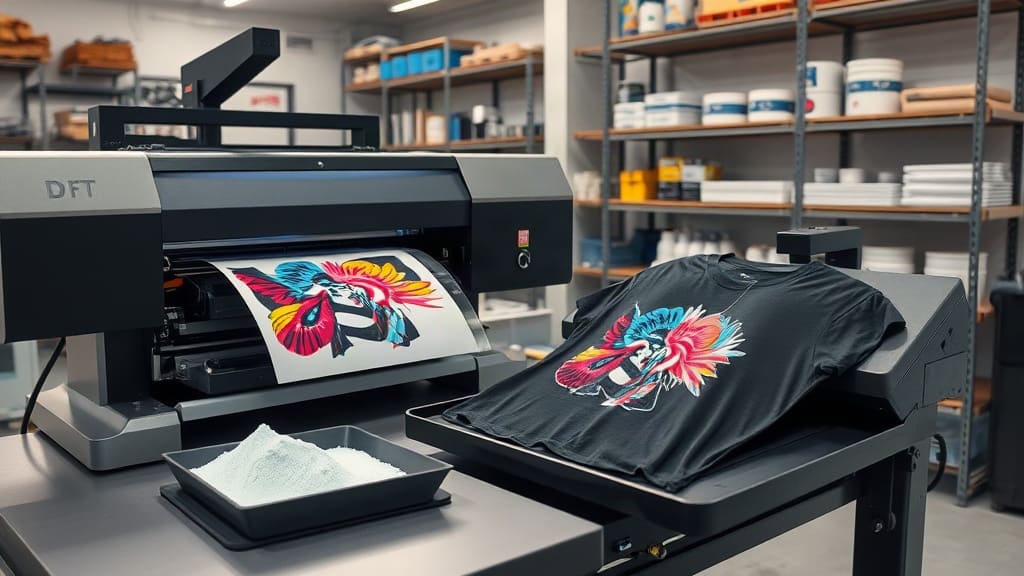
DTF printing, or direct-to-film, has emerged as a game-changer in the custom apparel industry. Unlike traditional methods that require complex setups or specific fabric types, DTF offers a versatile and cost-effective solution for producing vibrant, durable prints. Whether you're a small business owner, a hobbyist, or a seasoned printer, understanding the ins and outs of this technology can open new doors for creativity and profitability.
In this comprehensive guide, we'll dive deep into what DTF printing is, how it works, the equipment and materials you need, and the techniques to achieve professional results. We'll also address common questions and pitfalls, so you can confidently navigate the world of DTF.
What is DTF Printing?
DTF printing involves printing a design onto a special PET film using a piezoelectric inkjet printer. The printed film is then coated with a hot-melt adhesive powder, which is melted and cured. Finally, the film is transferred onto a substrate (like a t-shirt) using a heat press. The result is a soft, stretchable, and highly detailed print that adheres well to various fabrics.
One of the key advantages of DTF is its ability to print on a wide range of materials, including cotton, polyester, blends, and even hard surfaces like wood or metal (with appropriate pre-treatment). This flexibility makes it a favored choice for custom merchandise, sportswear, and promotional products.
How Does DTF Printing Work?
The process may sound simple, but it involves several precise steps. Here’s a breakdown:
- Design Preparation: Create your artwork using graphic design software. Ensure it's in CMYK mode, with a resolution of at least 300 DPI. Add white ink as an underbase for colored fabrics.
- Printing: The design is printed onto a PET film (also known as DTF film) using a printer equipped with CMYK, white, and sometimes varnish inks. The white ink is typically printed first, then the colored layers.
- Powder Application: While the ink is still wet, apply hot-melt powder to the film. The powder sticks to the inked areas. Excess powder is removed.
- Curing: The film is passed through a curing oven or heat source to melt and activate the adhesive powder. This creates a strong bond between the ink and the film.
- Transfer: Place the cured film onto the substrate, with the printed side facing down. Use a heat press with the appropriate temperature, pressure, and time (typically around 150-170°C for 10-15 seconds).
- Peeling: After pressing, allow the film to cool slightly, then peel it off. The print remains on the fabric, ready to use.
Mastering each step is crucial because even minor inconsistencies in temperature or pressure can affect the final outcome.
Essential Equipment and Materials
To start with DTF, you'll need the following:
- DTF Printer: A printer specifically designed for DTF, or a converted eco-solvent printer that can handle DTF inks. Look for features like white ink circulation to prevent clogging.
- DTF Inks: These include CMYK, white, and sometimes varnish. High-quality inks ensure vibrant colors and durability.
- PET Films: These films come in various types (e.g., with or without matte finish). Choose one that suits your printer and application.
- Hot-Melt Powder: This powder comes in fine or coarse grades. Fine powder is standard for most garments.
- Heat Press: A flat heat press or a mug press (for hard substrates) is essential for the transfer step.
- Curing Oven or Heat Source: For melting the powder, you can use a dedicated curing oven or a simple convection oven (careful with fumes).
Investing in quality equipment not only improves your output but also reduces downtime and maintenance headaches.
Advantages of DTF Printing
DTF offers several distinct benefits over other printing methods:
- Versatility: Works on a wide range of fabrics and colors, eliminating the need for pre-treatment of garments.
- Vibrant Colors: The white underbase ensures that colors pop, even on dark materials.
- Soft Hand Feel: Unlike some transfers, DTF prints have a soft texture, making them comfortable to wear.
- Durability: With proper care, DTF prints can withstand numerous washes without cracking or fading.
- Cost-Effective for Small Runs: No screens or plates are needed, making it ideal for printing small quantities or one-off items.
- Quick Turnaround: The process is faster than traditional screen printing, especially for multicolor designs.
Applications of DTF Printing
DTF isn't limited to just t-shirts. Here are some popular applications:
- Custom Apparel: T-shirts, hoodies, sweatshirts, socks, and more.
- Bags and Accessories: Tote bags, backpacks, and caps.
- Home Textiles: Pillows, curtains, and bed linens (on suitable fabrics).
- Promotional Items: Mugs, mouse pads, and other items with flat surfaces.
- Sportswear: Performance fabrics that might be tricky for other methods.
The ability to print on demand opens up possibilities for personalized gifts and niche market products.
Tips for Achieving Perfect DTF Prints
To get the best results, keep these tips in mind:
- Calibrate Your Printer: Regularly run nozzle checks and head cleanings to ensure optimal ink flow.
- Use Quality Films: Cheap films may warp or cause ink spreading. Invest in reputable brands.
- Shake Powder Well: Ensure the powder is evenly distributed for consistent adhesion.
- Control Humidity: High humidity can cause powder to clump and affect transfer. Store materials in a dry environment.
- Test Before Full Production: Always do a test print on the actual material to fine-tune temperature and pressure settings.
- Peel While Hot or Cold? Different films have different recommendations. Some require hot peeling, others cold. Follow the manufacturer's guidelines.
Common Mistakes to Avoid
Even experienced printers can make errors. Here are pitfalls to watch out for:
- Insufficient Curing: If the powder isn't melted properly, the print may peel off after washing.
- Overheating: Too much heat can scorch the fabric or cause the adhesive to bleed.
- Using the Wrong Film: Some films are not compatible with certain inks. Always check compatibility.
- Skipping White Ink: On dark fabrics, white underbase is non-negotiable. Without it, colors become dull.
- Ignoring Print Resolution: Low-resolution images will result in pixelated prints. Always use high-quality graphics.
Maintenance and Troubleshooting
Your DTF equipment requires regular care:
- Daily Cleaning: Wipe the printhead and capping station to prevent ink buildup.
- White Ink Circulation: White pigment settles quickly. Use the printer's circulation feature or manual stirring to keep it mixed.
- Replace Parts as Needed: Dampers, wipers, and films wear out. Replace them to avoid print quality issues.
- Common Issues: If you see banding, check for clogged nozzles. If colors are off, calibrate your profiles.
DTF vs. Other Printing Methods
How does DTF compare to screen printing, DTG, and sublimation?
- Screen Printing: Great for large batches with simple designs, but setup is costly and time-consuming. DTF is more flexible for complex designs and smaller runs.
- DTG (Direct-to-Garment): DTG excels on cotton shirts but requires pre-treatment and often struggles with polyester. DTF works on both.
- Sublimation: Sublimation requires polyester fabrics and results in vibrant prints that are part of the fabric. DTF can achieve similar vibrancy on cotton.
Each method has its niche, but DTF stands out as an all-rounder for on-demand printing.
FAQs About DTF Printing
Can DTF prints withstand regular washing?
Yes, when properly applied, DTF prints are highly durable. They can last for many wash cycles without fading or cracking. To maximize longevity, wash garments inside out in cold water and avoid bleach.
What fabrics are best for DTF transfers?
DTF works on a wide range of fabrics, but cotton and cotton blends are the most common. For synthetic fabrics like polyester, it's essential to use lower temperatures to prevent melting. Always test on a swatch first.
Do I need a special printer for DTF?
Yes, a standard desktop printer won't work. You need a printer that can handle DTF inks, which often include white pigment. Many users convert Epson eco-solvent printers, but dedicated DTF printers are available for easier operation.
How do I choose the right powder for DTF?
Powder comes in different particle sizes. Fine powder is ideal for most garments, providing a smooth finish. For textured or heavy materials, a coarser powder might be better. Consider the final hand feel you desire.
Is DTF printing cost-effective for small businesses?
Absolutely. DTF eliminates the need for screen setup, making it cost-effective for even single-item orders. The initial investment in equipment is moderate, but the per-print cost remains low, especially when compared to traditional methods.
Conclusion
DTF printing is a versatile, efficient, and high-quality method for creating custom apparel and products. By understanding the process, investing in the right equipment, and following best practices, you can produce professional results that satisfy both you and your customers. Whether you're just starting or looking to expand your printing capabilities, DTF offers a promising path forward. Embrace the technology, experiment, and watch your creative ideas come to life.