
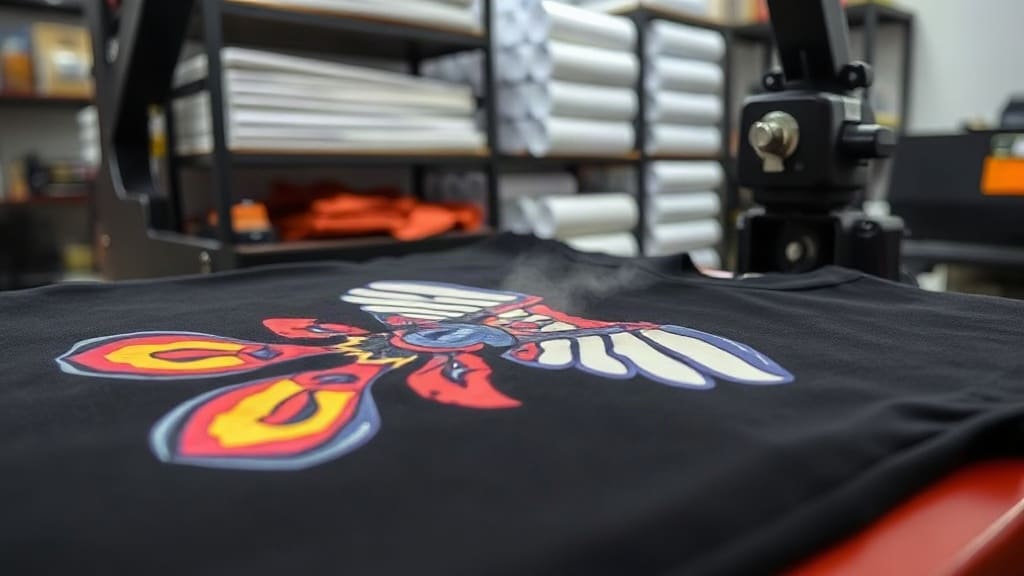
Direct to film, commonly known as DTF transfers, have revolutionized the custom printing industry. Unlike traditional methods, this technique allows for vibrant, detailed designs on a wide range of fabrics, including cotton, polyester, and blends. Whether you're a small business owner or a hobbyist, understanding this technology can open up new possibilities for your projects. In this guide, we'll dive deep into what makes these transfers so special, how they work, and why they might be the perfect choice for your next printing endeavor.
What Are DTF Transfers?
DTF transfers are a method of printing where a design is printed onto a special PET film using a printer equipped with white ink. The printed film is then coated with a hot-melt adhesive powder, which is melted to create a strong bond. This transfer film can be stored and applied later using a heat press. The beauty of this process is its versatility: it works on almost any fabric, including dark and light colors, without the need for a white underbase.
How DTF Printing Differs from Other Methods
Compared to screen printing, DTF is more cost-effective for small batches and allows for intricate details and gradients. Unlike heat transfer vinyl (HTV), which requires cutting and weeding, DTF is a full-color digital print. Sublimation printing is limited to polyester fabrics, but DTF works on cotton and other natural fibers, making it a superior choice for many applications.
Benefits of Using DTF Transfers
The popularity of DTF transfers stems from their numerous advantages. Here are some key benefits:
- Versatility: Apply to cotton, polyester, blends, and even leather or denim.
- Vibrant Colors: High opacity and excellent color reproduction, even on dark fabrics.
- Soft Hand Feel: The prints are flexible and don't crack easily.
- Durability: With proper application, transfers can withstand many washes.
- Cost-Effective: No minimum order quantities; print as many or as few as you need.
- Easy Storage: Pre-printed transfers can be stored and applied on demand.
How to Apply DTF Transfers
Applying DTF transfers requires a heat press and careful attention to temperature, pressure, and time. Here's a step-by-step guide:
- Pre-Press: Press the garment for 2-3 seconds to remove moisture and wrinkles.
- Position the Transfer: Place the film with the printed side facing up on the garment.
- Apply Heat: Use a heat press set to about 160°C (320°F) with medium pressure for 15-20 seconds.
- Peel: Wait for the film to cool slightly (about 10-15 seconds) then peel the film off smoothly.
- Re-Press: Optionally, place a silicone sheet or parchment paper over the print and press for 5-10 seconds to ensure adhesion.
Choosing the Right Films and Inks
The quality of your DTF transfers depends heavily on the materials used. Invest in high-quality PET films designed for DTF printing, and use pigment-based inks that are compatible with your printer. The adhesive powder should be fine and evenly distributed for a smooth finish. Many suppliers offer starter kits that include essential materials, making it easier for beginners to get started.
Common Mistakes to Avoid
Even experienced printers can make errors when working with DTF transfers. Here are some pitfalls to watch out for:
- Using too low temperature or insufficient pressure, leading to poor adhesion.
- Peeling the film too hot, which can cause the design to stretch or smear.
- Not shaking the adhesive powder well, resulting in uneven coating.
- Storing transfers in humid conditions, which can degrade the adhesive.
DTF Transfers: Frequently Asked Questions
Can DTF transfers be used on dark colored fabrics?
Yes, one of the main advantages of DTF transfers is their ability to print on dark fabrics without a white underbase. The white ink in the design provides opacity, ensuring colors pop on any background.
How many washes can DTF prints withstand?
With proper application and care, DTF prints can last for over 100 washes. To maximize durability, wash garments inside out in cold water and avoid using bleach or fabric softeners.
Do you need a special printer for DTF transfers?
Yes, you need a printer that can handle white ink, such as an Epson with an aftermarket DTF conversion kit or a dedicated DTF printer. These printers are designed to circulate white ink to prevent clogging.
Can I use DTF transfers on any type of fabric?
DTF works best on natural and synthetic blends, including cotton, polyester, and nylon. It can also be applied to other materials like leather and canvas, but testing is recommended.
What is the difference between DTF and DTG printing?
DTG (Direct to Garment) prints directly onto the fabric using a specialized inkjet printer. DTF involves printing onto a film and then heat transferring. DTF is often more cost-effective for small runs and offers better color opacity on dark garments.
Conclusion
DTF transfers offer a flexible, durable, and vibrant solution for custom apparel. Whether you're starting a T-shirt business or looking to expand your printing capabilities, understanding this technology is essential. With the right equipment and techniques, you can produce professional-grade prints that satisfy your customers. Remember to experiment with different settings and materials to find what works best for your specific projects.