
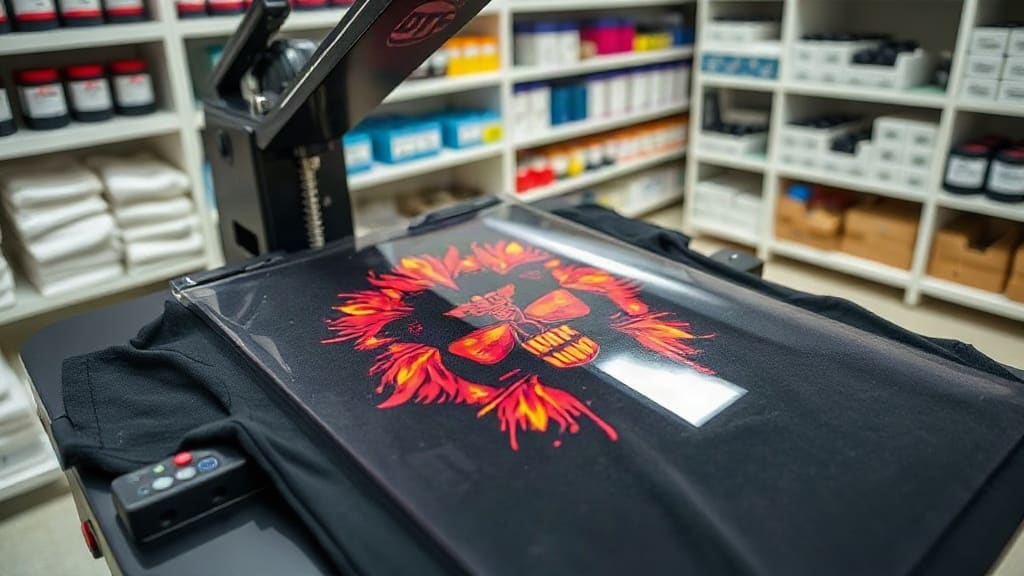
DTF printing has taken the custom apparel world by storm. If you've been searching for a reliable way to create vibrant, durable designs on various fabrics, you've likely come across this technology. But what exactly is DTF? And why are so many businesses and hobbyists switching to it? In this guide, we'll dive deep into the world of DTF transfers, explaining the process, benefits, and how to choose the best provider, including how to find DTF transfers near me.
What Are DTF Transfers?
DTF stands for Direct to Film. Unlike traditional methods that print directly onto the garment, DTF involves printing your design onto a special film, then transferring it to the fabric using heat and adhesive powder. This film, once printed and coated with adhesive, becomes the transfer itself. You can store these transfers and apply them whenever you need, making them incredibly convenient for batch production or on-demand orders.
The process might sound simple, but the quality and durability of the final product depend heavily on the materials and equipment used. When you order DTF transfers from a professional service, you get a ready-to-press film that produces a soft, stretchable, and highly detailed print.
How Does DTF Printing Work?
Understanding the DTF process helps you appreciate why it's become so popular. Here's a step-by-step breakdown:
- Design Creation: Your artwork is prepared digitally, ensuring colors and details are optimized for printing.
- Printing on Film: A specialized printer prints the design onto a PET film using CMYK plus white ink. The white ink creates a base layer that makes colors pop on dark garments.
- Adhesive Powder Application: While the ink is still wet, a hot-melt adhesive powder is applied to the film. This powder sticks only to the printed areas.
- Drying and Curing: The film is heated to melt the adhesive powder, which fuses with the ink. This step ensures the adhesive is evenly distributed and ready for transfer.
- Transfer to Garment: You place the film on your garment, apply heat and pressure with a heat press, and peel away the film. The design is now permanently bonded to the fabric.
This entire process can be done in-house if you have the right equipment, but many businesses choose to outsource to a DTF transfers provider. This saves time and ensures professional quality.
Why Choose DTF Transfers?
There are several reasons why DTF has become a favorite in the print industry:
- Versatility: DTF works on a wide range of fabrics, including cotton, polyester, blends, nylon, and even leather. You're not limited to a specific material.
- Vibrant Colors: The white ink layer ensures colors are vivid and opaque, even on dark backgrounds.
- Soft Hand Feel: The prints are flexible and soft to the touch, unlike some thicker vinyl transfers.
- Durability: DTF prints are highly durable, withstanding multiple washes without cracking or fading.
- Efficiency: You can print multiple designs on a single film, and you can store transfers for later use, which is perfect for print-on-demand.
- No Weeding: Unlike vinyl, there's no tedious weeding process. The design is ready to press.
These advantages make DTF transfers an excellent choice for custom t-shirts, hoodies, tote bags, and more.
Finding Quality DTF Transfers Near Me
When searching for DTF transfers near me, you want to ensure you're getting the best value for your money. Not all providers are created equal. Here are some factors to consider:
Print Quality and Materials
The quality of the film, ink, and adhesive powder directly affects the final result. Look for providers that use high-quality PET film, vibrant inks, and premium adhesive powder. You can ask for samples to test the print's durability and hand feel.
Service Offerings
Some providers offer only standard DTF transfers, while others provide additional services like color matching, custom sizing, or rush orders. Depending on your needs, you might prefer a provider that can handle special requests.
Price and Minimums
Pricing varies widely. Some companies have low setup fees but high per-print costs, while others offer volume discounts. If you're just starting, you might want a provider with no minimum order. For established businesses, volume pricing is crucial.
Turnaround Time
If you have tight deadlines, consider a provider that offers fast shipping and quick production. Many local shops provide same-day or next-day pickup, which is a huge advantage.
To find reliable DTF transfers near me, you can start by searching online, reading reviews, and asking for recommendations in local business groups. Don't hesitate to order a small test batch before committing to a larger order.
DIY DTF Printing vs. Professional Services
Maybe you're considering investing in your own DTF printer to have full control. That's a viable option, but it comes with a learning curve and significant upfront costs. Let's weigh both approaches:
Setting Up Your Own DTF Printing
To print your own DTF transfers, you'll need:
- A DTF printer (often a modified Epson or dedicated industrial printer)
- DTF inks (CMYK + white)
- PET film
- Adhesive powder
- A powder shaker and curing oven
- A heat press for transfers
The initial investment can be several thousand dollars, plus you'll need to learn how to operate and maintain the equipment. However, if you have high volume, the cost per transfer can drop significantly.
Ordering from a DTF Transfers Provider
Outsourcing eliminates the upfront costs and technical headaches. You simply upload your design, and the provider prints and ships the transfers. This is ideal for small businesses, print-on-demand sellers, or anyone who wants to test the waters without a huge investment.
For most people, starting with a professional provider is the smartest move. Once your orders grow, you can consider bringing production in-house.
Tips for Getting the Best Results with DTF Transfers
Even with high-quality transfers, the final outcome depends on your pressing technique. Here are some tips to ensure perfect results every time:
- Use the Right Temperature and Pressure: Most DTF transfers require around 320°F to 340°F (160°C to 175°C) for 10 to 15 seconds with medium to firm pressure. Always follow the provider's recommendations.
- Pre-Press Your Garment: This removes moisture and wrinkles, allowing the transfer to adhere better.
- Peel Hot or Cold: Some films require hot peeling, others cold. Check with your supplier. Generally, hot peel gives a glossy finish, while cold peel gives a matte look.
- Test on Scrap Fabric: Before pressing your final product, test on a scrap piece to fine-tune your time and temperature.
- Store Transfers Properly: Keep unused transfers in a cool, dry place away from direct sunlight to prevent premature curing.
By following these simple steps, you'll get professional-looking prints that your customers will love.
Common Applications of DTF Transfers
DTF technology is incredibly versatile. Here are some popular uses:
- Custom T-shirts and hoodies
- Sports jerseys and athletic wear
- Workwear and uniforms with logos
- Tote bags, backpacks, and caps
- Home decor items like pillows and aprons
- Pet apparel
Because DTF works on so many materials, it's a go-to choice for businesses that offer diverse products.
DTF Transfers vs. Other Methods
You might be wondering how DTF compares to other popular printing methods like screen printing, sublimation, or vinyl heat transfer. Let's break it down:
DTF vs. Screen Printing
Screen printing is excellent for large orders with simple designs. It offers vibrant colors and durability, but the setup cost is high. DTF is more cost-effective for small to medium runs and allows for intricate, full-color designs without color separation.
DTF vs. Sublimation
Sublimation works only on polyester fabrics or polymer-coated items. DTF is not limited to polyester, making it more versatile. Sublimation also requires a white base for light colors, which adds complexity. DTF handles dark garments effortlessly.
DTF vs. Vinyl Heat Transfer
Vinyl is great for simple text and shapes but struggles with detailed, multi-color artwork. DTF can reproduce gradients and fine details with ease. Plus, DTF has a softer feel and better stretchability.
Clearly, DTF offers a unique balance of quality, versatility, and ease of use, making it a top choice for modern custom printing.
Frequently Asked Questions
How long do DTF transfers last?
With proper care, DTF prints can last for many washes. The key is to wash garments inside out in cold water and avoid high heat drying. Quality materials and correct pressing ensure longevity.
Can I use DTF transfers on any fabric?
Yes, DTF works on a wide range of fabrics, including cotton, polyester, blends, and even tricky materials like nylon and leather. However, for best results, the fabric should be able to withstand the heat press temperature.
What is the minimum order quantity for DTF transfers?
Many providers offer no minimum order, making it perfect for small businesses or personal use. However, some may have a minimum, so it's best to check with your chosen provider.
How do I choose the right DTF transfers provider?
Look for a provider with positive reviews, transparent pricing, and good customer service. Ask for samples to test quality. Also, consider their turnaround time and shipping options, especially if you need DTF transfers near me for quick orders.
Can I do DTF printing at home?
Yes, it's possible to set up a small DTF printing station at home, but it requires space, investment, and technical know-how. For most, ordering from a professional service is simpler and more cost-effective.
In conclusion, DTF transfers are a game-changer in the custom printing industry. Their versatility, durability, and vibrant results make them an ideal choice for anyone looking to create high-quality apparel. Whether you're a seasoned professional or just starting, working with a trusted provider can elevate your products. So, the next time you need custom prints, remember to search for DTF transfers near me and experience the difference for yourself.