
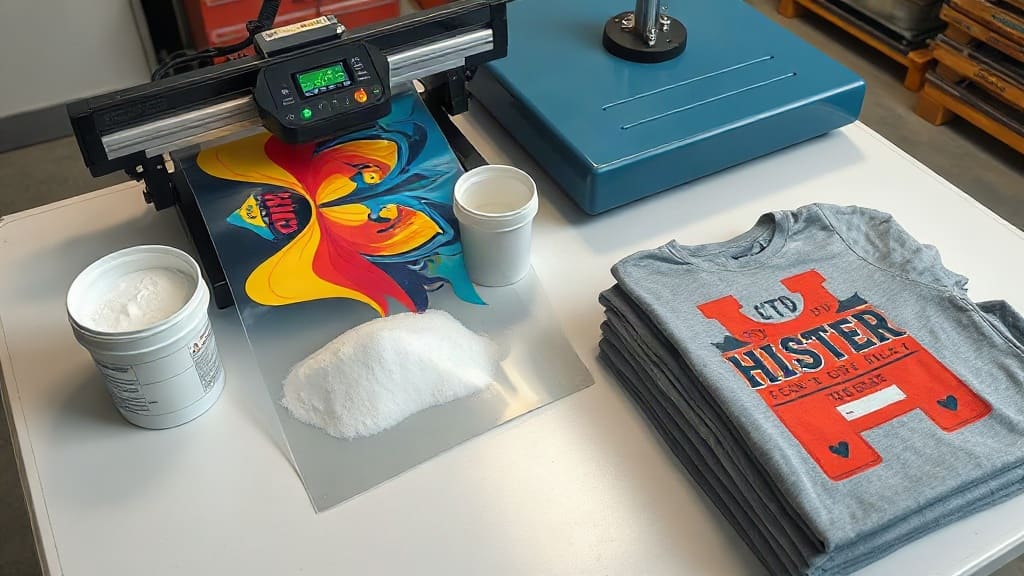
If you're in the custom apparel business or just love creating your own shirts, you've likely heard about DTF transfers. This printing method has exploded in popularity, and for good reason. Unlike traditional screen printing or heat transfer vinyl, DTF offers incredible versatility, vibrant colors, and the ability to print on a wide range of fabrics. In this guide, I'll walk you through everything you need to know about DTF transfers, from the basics to advanced tips, so you can decide if it's the right choice for your projects.
When I first tried DTF, I was amazed at how easy it was to get professional-looking results at home. No screens, no weeding, just print, powder, and press. But there's more to it than that. Let's dive in.
What Are DTF Transfers?
DTF stands for Direct to Film. It's a printing process where a design is printed onto a special PET film using a DTF printer, then covered with a hot-melt adhesive powder. After curing, the transfer is placed on a garment and heat-pressed to create a durable, stretchy print. The result is a soft, vibrant design that can be applied to cotton, polyester, blends, and even some hard surfaces.
Unlike screen printing, DTF requires no screens, making it ideal for small runs and full-color designs. It's also more versatile than vinyl because you can print gradients, photos, and intricate details without the hassle of cutting.
How DTF Transfers Work: Step by Step
The process might sound complex, but it's actually straightforward. Here's a breakdown:
- Print: Your design is printed in reverse onto a PET film using a DTF printer and special DTF inks (CMYK + white).
- Powder: While the ink is still wet, a hot-melt adhesive powder is applied over the printed areas.
- Cure: The film is heated to melt the powder, which creates the adhesive layer.
- Press: The transfer is placed on the fabric, and a heat press applies pressure and heat (typically 320°F for 10-15 seconds).
- Peel: Once cool, you peel off the film to reveal your design.
One of the biggest advantages is that you can produce transfers in advance and store them, pressing them on demand without a printer nearby.
Best Fabrics for DTF Transfers
DTF works best on cotton and cotton blends, but it also performs well on polyester, silk, nylon, denim, and even leather. The key is that the fabric must be heat-resistant. For dark fabrics, the white ink layer ensures vibrant colors. However, very stretchy fabrics like spandex require special care to avoid cracking.
In my experience, DTF prints on 100% cotton shirts feel softer than screen prints and hold up beautifully in the wash. For polyester sports jerseys, DTF is a game-changer because it can handle the stretch without cracking.
DTF Transfers vs. Screen Printing vs. Vinyl
Choosing the right method depends on your project. Here's a quick comparison:
- DTF Transfers: No minimum order, full-color, easy for detailed designs, great for small batches. Setup cost is higher if you invest in a DTF printer, but you can also order pre-printed transfers from services.
- Screen Printing: Best for large orders of the same design. Lower per-piece cost, but setup is expensive and time-consuming. Only one or a few colors per print.
- Heat Transfer Vinyl (HTV): Great for simple designs with solid colors. Requires weeding, which is time-consuming for intricate designs.
For a business that needs quick turnaround and low minimums, DTF transfers are often the winner. I've used all three, and DTF is my go-to for custom orders under 50 pieces.
Pros and Cons of DTF Transfers
Like any method, DTF has its strengths and weaknesses. Let's break them down.
Pros
- Soft hand feel – prints are thin and flexible.
- High color vibrancy and detail.
- No weeding or screen setup.
- Works on many fabrics, including blends.
- Transfers can be stored and pressed on demand.
Cons
- Initial equipment cost for printing your own (printer, powder, films).
- Learning curve for powder application and curing.
- White ink can be tricky to manage in DTF printers.
- Not ideal for extremely textured fabrics.
How to Get the Best Results with DTF Transfers
Here are some tips I've gathered from trial and error:
- Use a high-quality DTF film that peels easily and doesn't stretch during printing.
- Ensure your powder is evenly distributed. I use a shaker bottle and tap off excess.
- Pre-press your garment for 2-3 seconds to remove moisture and wrinkles.
- Use a Teflon sheet or parchment paper to protect your heat press.
- Press with medium pressure, not too hard, to avoid crushing the print.
- Test on a scrap garment first to dial in temperature and time.
Following these steps will minimize issues like cracking, peeling, or faded prints.
Care Instructions for DTF Transfers
To ensure your custom apparel lasts, proper care is essential. Always wash inside out in cold water, and tumble dry low or hang dry. Avoid using bleach or fabric softeners, as they can degrade the adhesive. With proper care, DTF prints can last for years without fading or cracking.
Frequently Asked Questions
Can DTF transfers be used on dark shirts?
Yes, absolutely. The white ink layer in DTF printing acts as an underbase, so colors remain vibrant on dark fabrics. Just make sure your printer prints enough white ink, and use a high-quality film designed for dark garments.
How many washes do DTF transfers last?
With proper care, DTF transfers can withstand 50 or more washes. The key is using quality materials and curing the adhesive correctly. I've had prints last over a year with regular washing, showing minimal fading.
Do I need a special printer for DTF transfers?
Yes, you need a printer that can handle DTF inks, particularly white ink. Many people convert Epson EcoTank printers or buy dedicated DTF printers. If you don't want to invest, you can order custom DTF transfers from companies like dtfmaxprint.com.
What is the difference between DTF and DTG?
DTG (Direct to Garment) prints directly onto the fabric, while DTF prints onto a film and transfers it. DTG is great for large orders on cotton but struggles with polyester. DTF is more versatile and cost-effective for small runs.
Can I use DTF transfers on materials other than fabric?
Yes, DTF can be applied to hard surfaces like wood, metal, and glass if you use a compatible adhesive. However, the heat press must be able to accommodate the shape. For curved surfaces, specialized presses may be needed.
In summary, DTF transfers offer a fantastic combination of quality, versatility, and ease of use. Whether you're a hobbyist or a business owner, this method can elevate your custom apparel game. If you're looking for ready-made transfers, check out dtfmaxprint.com for high-quality options that deliver excellent results.