
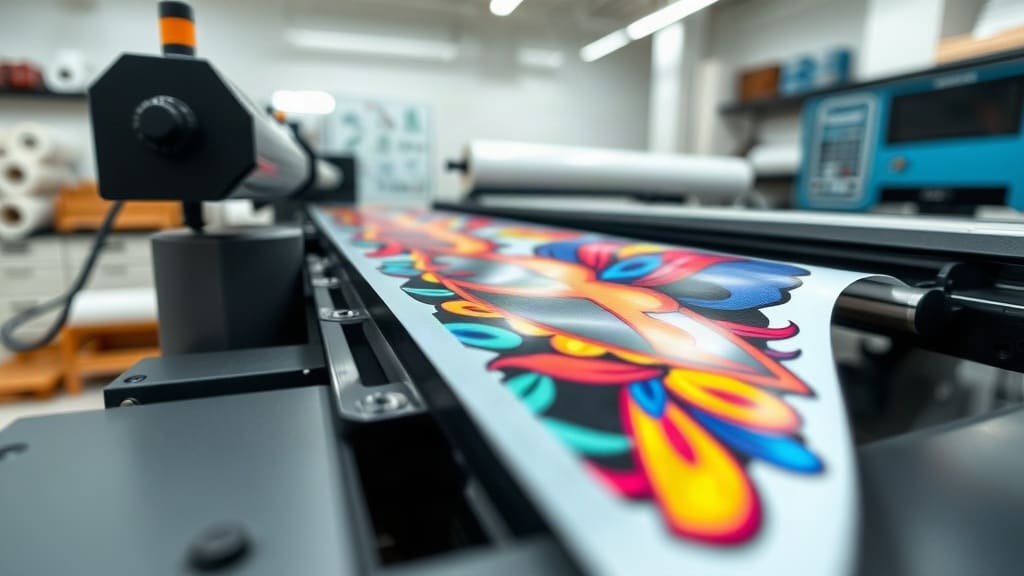
When the need for custom apparel arises, a quick search for dtf transfers near me often becomes the first step. Many business owners and crafters have turned to Direct to Film (DTF) printing because it offers vibrant colors, excellent durability, and versatility across various fabrics. Yet, finding a provider that consistently delivers high-quality results can be challenging. In this guide, we will walk you through the essential factors to consider, practical tips for evaluating local printing shops, and how to make the most out of your DTF transfers while avoiding common pitfalls.
Why Choose DTF Transfers?
DTF (Direct to Film) printing has gained popularity for good reason. Unlike traditional screen printing, DTF allows for intricate, full-color designs without the need for screens or setup fees. This makes it ideal for small orders, custom pieces, and on-demand production. Additionally, DTF transfers can be applied to cotton, polyester, blends, and even more challenging materials like nylon or leather, providing flexibility that other methods struggle to match.
For a small business, DTF transfers offer a low-cost entry into custom apparel. You can order transfers in bulk, apply them as needed, and maintain a minimal inventory. The process is straightforward: print the design onto a special film, apply adhesive powder, cure it, and then heat press the transfer onto the garment. The result is a soft, stretchable print that withstands repeated washing, making it a favorite among apparel decorators and entrepreneurs.
What to Look for in a Local DTF Provider
When you begin your search for dtf transfers near me, you should not settle for the first option that appears. Quality varies significantly from one shop to another, and the cheapest quote might end up costing you more in the long run due to rejects and customer complaints. Here are the key aspects to evaluate:
Print Quality and Resolution
The core of any DTF transfer is the print itself. High-resolution printing ensures sharp details and smooth gradients. Ask the provider for samples or a test print. Examine the white underbase: it should be opaque and clean, with no bleeding or rough edges. Also, check the color vibrancy. A top-notch print will have rich colors that pop, while a poor one may look washed out or pixelated. Always request a proof before committing to a large order.
Materials Used
Quality extends to the consumables: the PET film, adhesive powder, and inks. Premium films are designed to release cleanly after pressing, and the adhesive should bond well without creating a thick, plasticky feel. Some providers use lower-grade materials to cut costs, resulting in transfers that crack or peel after a few washes. Ask about the brand of ink and film they use; established names like Epson or Brother for printers and specialized films from known suppliers are generally safer bets.
Turnaround Time and Reliability
Time is money, especially if you have deadlines for events or customer orders. Inquire about their typical turnaround time and whether they offer rush services. A reliable provider will give you a realistic estimate and stick to it. Look for reviews or testimonials that mention on-time delivery. Remember, a local provider has the advantage of possibly offering same-day or next-day pickup, which can be a lifesaver.
Customer Support and Communication
Your interaction with the provider before placing an order speaks volumes about their customer service. Do they respond promptly? Are they willing to answer your questions about file formats, sizing, or application? A good partner should guide you through the process, offer suggestions for design optimization, and help you avoid common mistakes. If they are unresponsive or dismissive, it is a red flag.
How to Compare Local DTF Services
Once you have a shortlist of potential providers from your dtf transfers near me search, it is time to compare them objectively. Do not rely solely on their website or social media presence; dig deeper.
Request Samples
Most reputable shops are happy to provide physical samples. If they hesitate, consider it a warning. When you receive the samples, test them thoroughly: wash them multiple times, stretch the fabric, and inspect the edges. A high-quality transfer will remain intact and vibrant. This practical test is invaluable because it simulates real-world usage.
Check Online Reviews and References
Websites like Google, Yelp, and even Facebook can give you insights into the experiences of other customers. Look for patterns in reviews: do many people mention the same issue, like poor communication or flaking prints? Also, ask the provider for references from similar businesses. Speaking directly with a current client can provide honest feedback about their consistency and professionalism.
Evaluate Pricing Transparency
Pricing structures vary. Some charge per square foot, others per transfer, and some include setup fees. A transparent provider will clearly list their prices and explain any additional costs. Be wary of quotes that seem too good to be true; they often are. You want a balance between affordability and quality. Consider the total cost of ownership: a slightly higher price per transfer may be worth it if it saves you from waste and dissatisfied customers.
Maximizing Your DTF Transfers: Tips for Success
Even with the best provider, the outcome depends on how you handle the transfers. Here are some practical tips to ensure your final products look professional:
Optimize Your Design Files
Provide high-resolution files (at least 300 DPI) in formats like PNG or PDF. Ensure that your design has a clear separation of colors and that any text is converted to outlines to avoid font issues. The provider can often help you prepare the file, but understanding the basics will prevent delays and misprints.
Follow Application Instructions
Each transfer comes with recommended pressing temperature, time, and pressure. Use a heat press for consistent results; a home iron is rarely sufficient. Preheat the garment to remove moisture, place the transfer, and press with firm, even pressure. Allow the garment to cool before peeling the film to ensure a clean release.
Test Before Large Runs
Always run a test on a sample garment of the same material you intend to use. Different fabric blends can affect the transfer's adhesion and feel. This step helps you adjust the press settings and avoid ruining a batch of expensive apparel.
Frequently Asked Questions
How much do DTF transfers typically cost?
Pricing varies based on size, quantity, and the provider's overhead. As a rough guide, a standard 10x10 inch transfer might range from $1 to $3 when ordered in bulk. Smaller orders cost more per piece. Always ask for a detailed quote and compare multiple providers to ensure you get a fair deal.
Can I use DTF transfers on dark colored garments?
Yes, DTF transfers are particularly effective on dark fabrics because the white underbase provides a solid background, making colors appear vivid. Ensure that the transfer includes a sufficient white layer to prevent the garment color from showing through.
How do I know if a DTF transfer is of good quality?
Look for a soft hand feel, vibrant colors, and good stretchability. After washing, the print should not crack or peel. You can perform a stretch test: if the transfer stays intact without breaking, it is likely high quality. Also, check the edges for any rough or fuzzy lines.
What is the turnaround time for custom DTF transfers from a local shop?
It depends on the shop's workload. Many local providers offer a 2-3 day turnaround for standard orders, while rush orders can be completed in 24 hours or less. Always confirm with the provider to set realistic expectations.
Do I need to provide a ready-to-print file?
Not necessarily. Most providers accept common formats like PNG, JPEG, or PDF. If your file is not print-ready, they may assist with adjustments for a fee. It is best to ask upfront about their file requirements and if they offer design services.
Final Thoughts on Choosing Local DTF Services
Finding the right dtf transfers near me involves more than just a quick search. It requires careful evaluation of print quality, materials, reliability, and customer support. By requesting samples, checking reviews, and communicating openly, you can establish a partnership that supports your business growth. Remember, the cheapest option is not always the most economical; investing in quality saves you time, money, and your reputation. Take the time to research, ask the right questions, and test thoroughly. With the right provider, DTF transfers can elevate your custom apparel game to new heights, ensuring your customers are delighted with every order.