When you're searching for DTF printing services, one of the first things you'll likely do is type "dtf transfers near me" into a search engine. It's a smart move because local providers offer faster turnaround, lower shipping costs, and the chance to see samples in person. But finding the right partner isn't just about proximity. You need a shop that delivers vibrant colors, durable prints, and excellent customer service. In this guide, I'll walk you through everything you need to consider when choosing a local DTF printing service, so you can make an informed decision and avoid costly mistakes.
Why DTF Transfers Are Popular
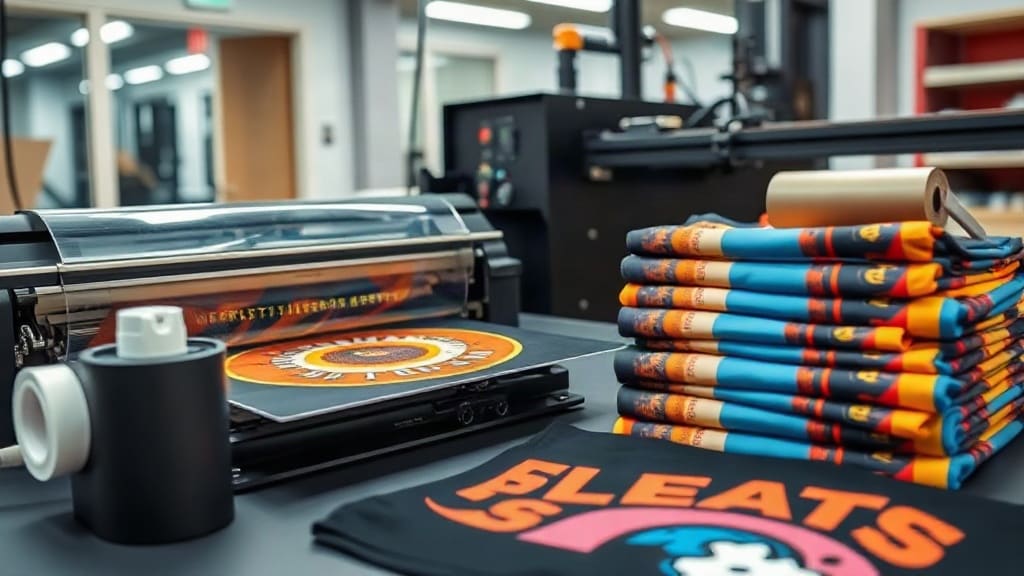
Direct-to-film, or DTF, printing has taken the custom apparel industry by storm. Unlike traditional screen printing or heat transfer vinyl, DTF transfers allow for high-detail, full-color designs on a variety of fabrics, including cotton, polyester, blends, and even tricky materials like nylon. The process involves printing your design onto a special film, applying adhesive powder, and then heat-pressing the transfer onto the garment. The result is a soft, stretchy, and durable print that can rival screen printing in quality but with more flexibility.
Small business owners, hobbyists, and large-scale decorators alike are turning to DTF transfers because they offer a low-cost entry point. You don't need to invest in expensive equipment or screens; you can order transfers on demand and press them yourself. This makes it perfect for custom orders, small batches, and even retail-ready products. But the success of your project heavily depends on the quality of the transfers you buy, which is why choosing the right provider is crucial.
Understanding DTF Transfer Quality
Not all DTF transfers are created equal. Quality varies significantly between providers, and it directly affects the final look and feel of your apparel. Here are the key factors to evaluate:
Print Resolution and Color Vibrancy
A high-quality DTF print should have sharp details and rich, accurate colors. Look for providers that use high-resolution printers (at least 1440 dpi) and premium inks. Ask for samples or look at their portfolio to see if their prints show fine lines and gradients without banding or pixelation. Colors should be consistent across different orders, so check if they use color management systems.
Adhesive Powder and Transfer Film
The adhesive powder is what makes the ink stick to the fabric. Inexpensive powders can lead to cracking, poor washability, or a stiff hand feel. Top-tier providers use fine, evenly distributed adhesive that melts at the right temperature, ensuring strong bonding. Similarly, the transfer film must be easy to peel and not leave residue. A good film should have a slight matte finish and not curl excessively.
Washability and Durability
The ultimate test of a DTF transfer is how it holds up after multiple washes. Quality transfers can withstand 50 or more washes without fading, cracking, or peeling. When evaluating a local provider, ask about their wash test results. You can also do a quick test yourself: press a sample onto a garment, wash it a few times, and inspect the results. This gives you real-world evidence of durability.
How to Find DTF Transfers Near Me
Now that you know what to look for, let's find local options. Here are effective strategies:
Search Online Directories
Start with a simple Google search for "dtf transfers near me" or use platforms like Yelp, Yellow Pages, or local business directories. Pay attention to businesses with high ratings and numerous reviews. But don't stop there; dig deeper into their websites and social media to see their work.
Check Social Media and Local Groups
Instagram and Facebook are treasure troves for DTF printers. Search for hashtags like #dtftransfers or #dtfprinting and filter by location. Local business groups, community boards, and small business forums often have recommendations. You can ask for referrals in groups dedicated to print-on-demand or custom apparel.
Visit Print Shops in Person
Nothing beats seeing the quality firsthand. Visit local print shops that advertise DTF services. Bring a sample design and ask for a test print. This allows you to assess their equipment, ask questions, and get a sense of their professionalism. A reputable shop will be happy to show you their setup and discuss their process.
Attend Trade Shows or Local Events
Industry events like the ISS (Imprinted Sportswear Show) or local craft fairs often feature DTF suppliers. Even if they aren't in your immediate area, you can network and get referrals. Sometimes, small local printers attend these events to showcase their capabilities.
Questions to Ask a Potential DTF Provider
Once you have a list of candidates, it's time to narrow it down. Ask these critical questions to ensure they meet your standards:
- What is your turnaround time? Local providers should offer quicker service, but clarify if they have rushes for an extra fee.
- Do you provide free samples? Many companies offer sample packs; if they don't, consider paying for a test order.
- What file formats do you accept? Ideally, they accept common formats like PNG, JPEG, PDF, or AI with transparency.
- Do you offer color matching? Brand colors should be reproduced accurately; some providers offer Pantone matching.
- What are your minimum order quantities? For small businesses, low MOQs are preferable, but some local shops may have higher minimums.
- Can you handle large orders? If you plan to scale, ensure they have the capacity to meet your demand.
- Do you provide design help? Some shops offer free or paid design assistance, which is useful if you lack design skills.
- What is your pricing structure? Understand if they charge per square inch or per sheet and if there are setup fees.
Comparing Prices and Value
Price is always a factor, but don't make it the sole deciding factor. Cheaper transfers might save you money upfront, but if they crack after a few washes, you'll lose customers. Instead, consider the value: the quality, service, and reliability. Request quotes from several local providers and compare them based on the same design and quantity. Look for any hidden costs like shipping, handling, or art fees. A mid-range price with exceptional quality is often the smartest choice.
Also, think about the long-term relationship. A local provider who understands your business and can offer advice is invaluable. They might suggest tweaks to your designs for better printability or recommend fabric choices. Building a partnership can lead to discounts and priority service over time.
Testing Your Shortlist
Before committing to a large order, test your top picks with a small batch. Order a few transfers of the same design and press them onto identical garments. Then, compare the results side by side. Look for color consistency, sharpness, and hand feel. Wash them multiple times to test durability. This empirical approach gives you concrete data to make your final choice.
Benefits of Choosing a Local DTF Provider
Supporting local businesses has its perks. You can communicate face-to-face, which reduces misunderstandings. If a problem arises, you can visit the shop and discuss it directly. Turnaround times are often faster because there's no cross-country shipping. Additionally, you might be able to pick up your orders, saving on shipping costs. In urgent situations, a local provider can rescue you with a last-minute order, something an online-only company can't do.
Red Flags to Watch Out For
As you evaluate providers, be wary of these warning signs:
- No samples or portfolio: If they can't show their work, they might be inexperienced.
- Extremely low prices: This often indicates subpar materials or processes.
- Poor communication: If they don't respond promptly or avoid answering questions, that's a sign of future issues.
- Limited production capacity: If they're a one-person operation, they might not handle large orders efficiently.
- Negative reviews: Check for consistent complaints about quality, delivery, or customer service.
Finalizing Your Decision
After you've done your research, tested samples, and compared offers, trust your instincts. Choose the provider that not only delivers great DTF transfers but also makes you feel confident in their abilities. Remember, the cheapest option is rarely the best, and the closest option might not be the most skilled. Balance convenience with quality to find your ideal partner.
Frequently Asked Questions
What is the difference between DTF and sublimation?
DTF printing uses a film and adhesive to transfer designs onto fabrics, and it works on both cotton and polyester. Sublimation, on the other hand, requires polyester or polymer-coated materials and infuses the ink into the fabric. DTF is more versatile because it can be used on dark garments without a white base layer, whereas sublimation struggles with dark colors. For full-color, detailed designs on cotton, DTF is the better choice.
Can I use DTF transfers on any fabric?
Yes, DTF transfers can be applied to most fabrics, including cotton, polyester, blends, nylon, and even leather or canvas. However, the heat press temperature and time may need adjustment for delicate fabrics. Always test on a small area first to ensure the fabric can withstand the heat and pressure without damage.
How many washes will a DTF transfer last?
With proper application and care, a high-quality DTF transfer can last 50 or more washes. To maximize longevity, wash garments inside out in cold water and avoid using bleach or fabric softeners. Tumble dry on low or hang dry to prevent excessive wear on the print.
What is the minimum order quantity for DTF transfers?
Minimum order quantities vary by provider. Some local shops offer single transfers for testing, while others may require a minimum of 10 or more. If you're just starting, look for providers that offer low MOQs so you can order just what you need. As you grow, you can negotiate better pricing for larger volumes.
Do I need to provide a high-resolution design for DTF printing?
Yes, for best results, your design should be at least 300 DPI at the print size. This ensures sharp details and vibrant colors. If your design is low-resolution, it may appear pixelated or blurry. Most providers can help you prepare your files if you're unsure.