
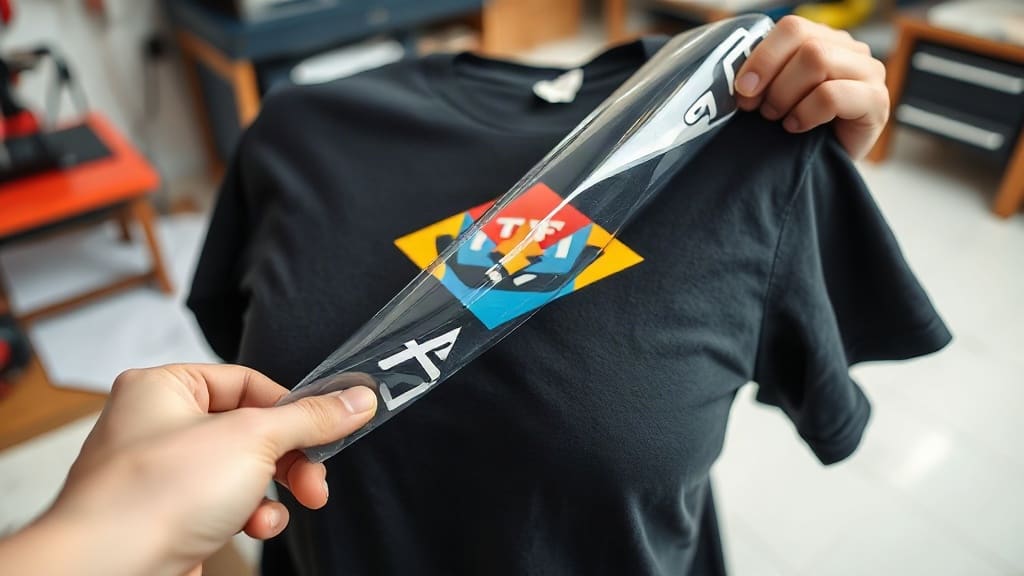
If you're diving into the world of custom apparel, you've likely heard about DTF transfers. This innovative printing method has taken the industry by storm, offering a flexible and cost-effective way to create vibrant designs on a wide range of fabrics. Whether you're a hobbyist, a small business owner, or just curious, this guide will walk you through everything you need to know about DTF transfers, from the basics to pro tips.
What Are DTF Transfers?
DTF stands for Direct to Film. It's a printing process where a design is printed onto a special film, coated with adhesive powder, and then heat-pressed onto fabric. Unlike traditional direct-to-garment (DTG) printing, DTF transfers are made on a film first, which gives you the flexibility to print on various materials, including cotton, polyester, blends, and even nylon. The result is a soft, durable print that doesn't crack or fade easily.
How Do DTF Transfers Work?
The process involves several key steps, each crucial for achieving high-quality results.
Step 1: Printing the Design
Your artwork is printed onto a special PET film using a DTF printer equipped with white ink. The white ink creates a base layer, ensuring colors appear vibrant even on dark fabrics. The printer lays down the CMYK colors on top of the white layer.
Step 2: Applying Adhesive Powder
While the ink is still wet, a hot-melt adhesive powder is applied to the film. This powder sticks to the inked areas and will later bond the design to the fabric. The excess powder is then shaken off, leaving powder only on the printed design.
Step 3: Curing the Powder
The film is passed through a heat source, often an oven or a heat press, to melt the adhesive powder. This fuses the powder into the ink, forming a strong bond that will activate during the final transfer.
Step 4: Heat Pressing
Finally, the film is placed onto the garment with the design facing down, and a heat press applies pressure and heat. This activates the adhesive, transferring the design from the film to the fabric. After peeling off the film (either hot or cold, depending on the film type), your custom print is ready.
Why Choose DTF Transfers?
There are several reasons why DTF transfers have become a popular choice among printers and businesses.
Versatility Across Fabrics
One of the biggest advantages of DTF is its ability to print on virtually any fabric. Whether you're working with cotton t-shirts, polyester sports jerseys, tote bags, or even leather, DTF transfers deliver excellent results. This makes it a fantastic option for a diverse product range.
Durability and Feel
DTF prints are known for their durability. They can withstand repeated washing without cracking or fading, and the prints have a soft, slightly rubbery texture that feels comfortable against the skin. This makes them ideal for everyday wear.
No Pre-Treatment Needed
Unlike DTG printing, which requires pre-treating garments, DTF transfers skip this step. You can print directly onto the film and transfer it to any fabric without additional chemicals, saving time and effort.
Great for Small and Large Runs
DTF transfers are cost-effective for both low and high volume orders. You can print a single custom item or scale up to hundreds without a significant increase in cost. This flexibility is perfect for businesses that offer personalized products.
DTF Transfers vs. Other Printing Methods
To understand the value of DTF, it's helpful to compare it with other popular techniques.
DTF vs. DTG Printing
DTG prints directly onto the garment, which can be slower and requires pre-treatment for best results. DTF transfers are made on film, allowing for faster production and easier application on various fabrics. DTF also tends to have better color vibrancy on dark materials because of the white ink layer.
DTF vs. Vinyl (Heat Transfer)
Vinyl cutouts are great for simple designs with few colors. However, DTF transfers shine when you need full-color, detailed artwork with gradients or photographic elements. DTF also provides a softer feel than thick vinyl layers.
DTF vs. Screen Printing
Screen printing is ideal for large orders of the same design, but it requires setup time and is expensive for small quantities. DTF transfers offer a quicker turnaround and lower minimums, making them perfect for on-demand and customized orders.
How to Use DTF Transfers: A Step-by-Step Guide
If you're ready to apply DTF transfers, here's a simple guide to get perfect results every time.
What You'll Need
- A heat press or a home iron (for small projects)
- A Teflon sheet or parchment paper
- The DTF transfer film
- The garment you want to print on
Application Steps
- Preheat your heat press to around 160°C (320°F).
- Place the garment on the press and flatten it to remove wrinkles.
- Position the DTF transfer film with the design facing down on the garment.
- Cover with a Teflon sheet to protect the film.
- Press for 15-20 seconds with firm pressure.
- Peel the film while it's still warm (or cool, depending on the manufacturer's instructions).
- For extra durability, press again through the Teflon for a few seconds.
And that's it! Your custom print is ready to wear.
Tips for Perfect DTF Transfers
To ensure your transfers come out flawless, keep these tips in mind.
- Always use high-quality films and inks specifically designed for DTF printing.
- Make sure the adhesive powder is evenly applied and cured properly.
- Test your settings on scrap fabric first to avoid mistakes.
- Store unused films in a cool, dry place to maintain their quality.
- When peeling, follow the recommended peel temperature to avoid tearing the design.
Common Mistakes to Avoid
Even experienced printers can run into issues. Here are some pitfalls to steer clear of:
- Skipping the pre-press of your garment, which can trap moisture and cause poor adhesion.
- Using too low a temperature or pressure, resulting in a weak bond.
- Not shaking off enough powder, leading to excess adhesive on the film.
- Peeling the film too quickly, which can pull up parts of the design.
Frequently Asked Questions
Can I use DTF transfers on any fabric?
Yes, DTF transfers work on a wide range of fabrics, including cotton, polyester, blends, and even leather. However, for best results, ensure the fabric is smooth and free of wrinkles.
How do I care for garments with DTF prints?
To preserve your DTF prints, wash them inside out in cold water and avoid using bleach or fabric softeners. Tumble dry on low heat or hang to dry. This will help maintain the print's vibrancy and longevity.
Can I make DTF transfers at home?
Yes, you can make DTF transfers at home if you have a DTF printer, a heat press, and the necessary supplies. It's a great DIY project for small businesses or hobbyists. However, the initial investment in equipment can be significant, so consider starting with a professional service if you're just beginning.
What is the average cost of DTF transfers?
The cost varies depending on the size of the transfer, the quantity, and the provider. Generally, DTF transfers are cost-effective for small to medium orders, with prices decreasing per unit as quantity increases. For a few transfers, you might pay a few dollars each, while bulk orders can be much cheaper.
How long do DTF transfers last?
With proper application and care, DTF transfers can last for many washes. The prints are designed to be durable and resistant to cracking and fading, making them a long-lasting option for custom apparel.
Conclusion
DTF transfers are a game-changer for custom printing, offering unmatched versatility, durability, and ease of use. Whether you're creating personalized gifts, starting a clothing line, or simply exploring creative projects, DTF transfers provide a reliable solution. Remember to follow the recommended steps and care instructions to get the best out of your prints. With a little practice, you'll produce professional-quality results that will impress your customers or friends. So why not give DTF transfers a try? Your next favorite t-shirt is just a press away.