
Are you thinking about starting your own custom apparel business? DTF transfers have become one of the most popular methods for creating custom shirts, hoodies, and other garments. Many entrepreneurs are turning to this technology because it offers high-quality results with relatively low startup costs. In this comprehensive guide, I will walk you through everything you need to know about launching a DTF transfers business, from the equipment you need to how to find customers. Whether you are a complete beginner or have some experience in printing, this article will give you a clear roadmap to success.
Starting a business can be exciting and challenging at the same time. With the right knowledge and tools, you can turn this venture into a profitable home-based operation or even scale it into a full-time enterprise. I have seen many people succeed in this field because they took the time to understand the process and market their services effectively. Let me share with you the secrets that can help you avoid common pitfalls and build a thriving business.
Understanding DTF Transfers
Before diving into the business side, it is essential to understand what DTF transfers are and how they work. DTF stands for Direct to Film. It is a printing method where a design is printed onto a special PET film using a DTF printer and then transferred onto fabric using a heat press. Unlike other methods, DTF allows you to print on a wide variety of fabrics, including cotton, polyester, blends, and even difficult surfaces like nylon or leather with the right adhesive.
The process involves several steps: printing the design on film with CMYK and white ink, applying a layer of adhesive powder, curing the powder, and finally heat pressing the film onto the garment. The result is a vibrant, durable print that feels soft and can withstand many washes. This versatility is one of the main reasons why DTF transfers have gained immense popularity among custom apparel businesses.
Why Start a DTF Transfer Business?
There are many reasons why starting a DTF transfers business is an attractive opportunity. First, the barrier to entry is relatively low compared to other printing methods like screen printing or DTG (Direct to Garment). You can start with a modest investment and gradually expand. Second, the demand for custom apparel is always present. People love personalized items for events, businesses, sports teams, and personal use. Third, the profit margins can be excellent if you manage your costs well. A single T-shirt transfer can cost you under $2 in materials, and you can sell it for $10 or more, depending on your target market. Finally, you have the flexibility to work from home and set your own schedule, making it an ideal side hustle or full-time business.
Essential Equipment for DTF Transfers
To produce high-quality DTF transfers, you need specific equipment. Here is a checklist of what you will need:
- DTF Printer: This is the core machine that prints your designs onto the film. You can choose between dedicated DTF printers or convert a standard inkjet printer with an aftermarket kit. For beginners, a dedicated entry-level DTF printer is recommended for reliability and support.
- Heat Press: You will need a heat press to transfer the film onto the garment. A clamshell or swing-away press with accurate temperature control is essential. A 15x15 inch press is a good size for most jobs.
- Shaker and Curing Oven: After printing, you need to apply adhesive powder to the wet ink. A shaker machine helps distribute the powder evenly, and a curing oven or heat tunnel melts the powder to create a sticky layer. Some small businesses use a heat press for curing, but a dedicated oven is more efficient.
- Film and Powder: You will need PET film specifically designed for DTF printing, and DTF adhesive powder. Using high-quality supplies ensures better adhesion and durability.
- Inks: DTF printers use water-based pigment inks, including CMYK plus white. Invest in good quality inks to achieve vibrant colors and proper opacity.
- Software and Computer: You will need graphic design software like Adobe Illustrator or Photoshop, and a RIP (Raster Image Processor) software to control your printer and ensure accurate color output.
When starting, you can look for starter kits that include most of these items at a discounted price. However, be careful not to sacrifice quality for cost, as that can lead to frequent breakdowns and poor print results.
Costs and Budgeting
The investment for a DTF transfers business can vary widely depending on the equipment you choose. A basic setup with a Chinese-made DTF printer, a heat press, and a shaker can cost around $3,000 to $5,000. Higher-end systems from reputable brands can go up to $10,000 or more. Additionally, you will need to budget for consumables like film, powder, ink, and maintenance supplies. It is wise to have a buffer for unexpected repairs or upgrades. Many successful entrepreneurs start small and reinvest their profits to improve their equipment.
Another cost to consider is marketing. You will need to promote your business through social media, a website, or local advertising. Fortunately, many marketing channels are free or low-cost, especially if you are active on Instagram, Facebook, and TikTok.
Setting Up Your Workspace
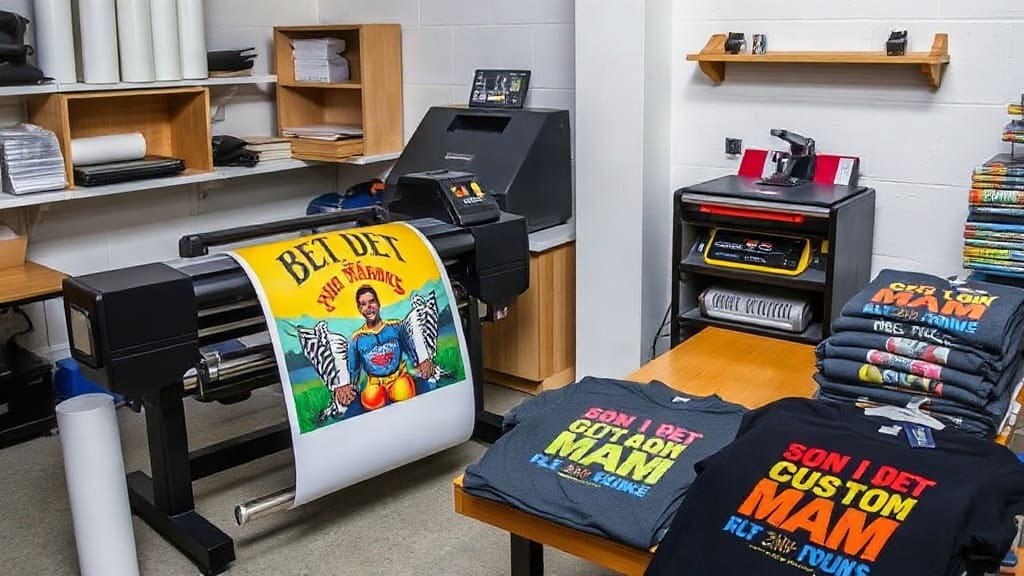
You do not need a large space to run a DTF transfers business. A corner in your garage or a spare room can be enough. However, you need to ensure proper ventilation because the printing process can release fumes from inks and powders. Set up a clean, dust-free area for your printer and a sturdy table for your heat press. Organize your films, powders, and garments so that you can work efficiently. As you grow, you might consider renting a small studio or warehouse.
Mastering the Transfer Process
Producing perfect DTF transfers requires practice and attention to detail. Here are the key steps to achieve great results:
- Prepare your design: Use a high-resolution image (300 DPI) and mirror horizontally before printing. Your RIP software will handle this, but always double-check.
- Print on film: Load the PET film into the printer correctly (usually matte side up). Print the CMYK layer first, then the white layer on top. Ensure the ink is fully dried before moving to the next step.
- Apply adhesive powder: While the printed film is still slightly tacky, cover it with adhesive powder. Use a shaker to distribute it evenly, then shake off the excess.
- Cure the powder: Place the film in a curing oven or use a heat press at about 160°C (320°F) for a short time to melt the powder. The exact time and temperature depend on your equipment and powder type. The goal is to make the powder tacky but not fully cured.
- Press onto garment: Preheat your garment for a few seconds to remove moisture. Place the film with the printed side facing down on the garment, cover with a silicone sheet or parchment paper, and press at 160-170°C for about 15-20 seconds with medium pressure.
- Peel: While the film is still warm, peel it off. You can do a hot peel or wait a few seconds for a cold peel, depending on the film type. Follow the manufacturer's instructions.
Always test with scrap fabric to calibrate your time and temperature settings. Keep a log of what works best for different fabric types.
Finding Your Niche
One of the keys to success in the custom apparel business is finding a niche. Instead of competing with everyone, focus on a specific market. For example, you could specialize in pet-themed shirts, sports apparel, or personalized gifts for holidays. Or you might target local schools and businesses for bulk orders. Another profitable niche is creating DTF transfers for other apparel businesses that do not have their own printing equipment. Many small custom print shops buy transfers from suppliers to offer DTF designs without investing in a printer. You can sell your transfers wholesale or retail through an online store.
Marketing Your DTF Transfer Business
To attract customers, you need to market your business effectively. Start by creating a professional portfolio of your work. Take high-quality photos of your printed shirts and share them on social media platforms like Instagram and Pinterest. Use relevant hashtags like #dtftransfers, #customapparel, and #smallbusiness. Consider creating short videos showing the printing process; these are engaging and can go viral. You can also offer discounts to your first customers to build a review base. Networking with local businesses and event organizers can lead to bulk orders. Additionally, setting up an online store on Etsy or Shopify makes it easy for customers to place orders.
Scaling Your Business
Once you have a steady flow of orders, you can think about scaling. This might mean upgrading to a faster printer, hiring employees to handle production, or expanding your product range. You can also offer additional services like design assistance or rush orders. Many successful DTF transfers businesses grow by partnering with other print shops that outsource their transfer needs. Continuously invest in learning new techniques and staying updated with industry trends to maintain a competitive edge.
Common Mistakes to Avoid
Running a business comes with pitfalls. Here are some common mistakes to avoid:
- Skipping test prints: Always test new batches of film or powder before using them on customer orders.
- Ignoring printer maintenance: Clean your printer heads regularly and follow maintenance schedules to prevent costly breakdowns.
- Underpricing your products: Calculate all costs, including hidden costs like electricity and time, and set prices that ensure a profit.
- Poor customer service: Respond promptly to inquiries and address issues quickly to build a good reputation.
- Not protecting your hands: The heat press is hot; always use safety precautions to avoid burns.
Frequently Asked Questions
How much does it cost to start a DTF transfers business?
Starting a DTF transfers business can cost between $3,000 and $10,000 for essential equipment. This includes a printer, heat press, shaker, and initial supplies. However, you can reduce costs by starting with a used printer or opting for a starter kit.
Can I use a regular inkjet printer for DTF transfers?
Yes, you can convert a standard inkjet printer, such as an Epson EcoTank, with a DTF conversion kit. However, using a dedicated DTF printer is easier and more reliable, as it is designed for the ink and film requirements.
What is the difference between DTF and DTG printing?
DTF printing involves printing on a film and transferring it to fabric, while DTG (Direct to Garment) prints directly onto the garment. DTF is more versatile, as it can be used on various fabric types and does not require pre-treatment for cotton.
How long do DTF transfers last?
With proper application and care, DTF transfers can last for many washes without cracking or fading. The durability depends on the quality of materials and the pressing process.
Can I sell DTF transfers without owning a printer?
Yes, you can start by ordering DTF transfers from a supplier and then heat press them onto garments. This reduces startup costs and allows you to test the market before investing in equipment.
Final Thoughts
Starting a DTF transfers business is a promising opportunity for anyone interested in custom apparel. With the right equipment, knowledge, and dedication, you can build a profitable venture that offers creative freedom and financial rewards. Remember to focus on quality, find your niche, and market your services effectively. Do not be afraid to start small and grow gradually. The custom apparel industry is booming, and there is room for new players who bring passion and professionalism. If you follow the steps outlined in this guide, you will be well on your way to success in 2025.