
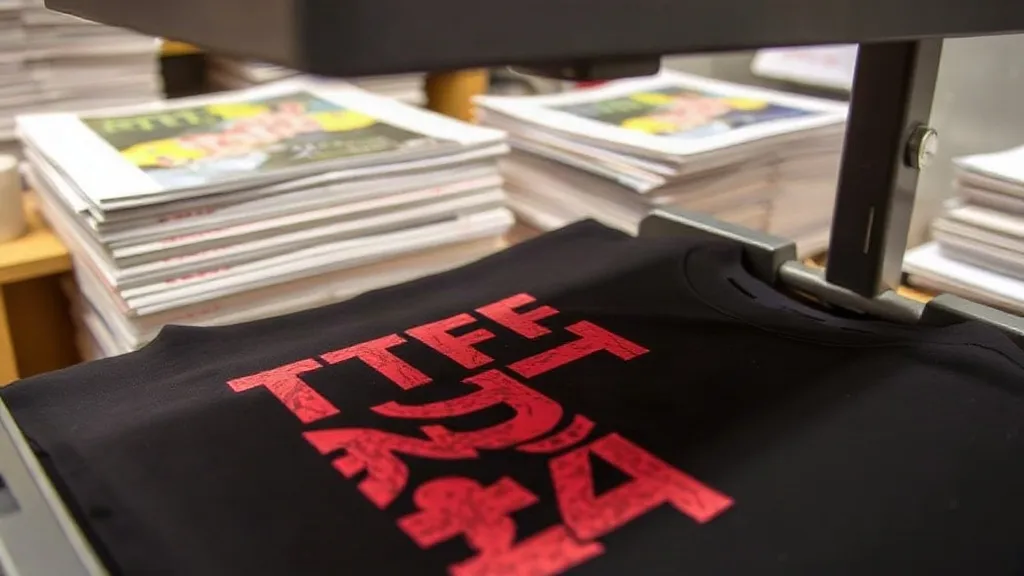
If you've been exploring custom apparel printing, you've likely encountered dtf transfers. This method has rapidly gained popularity for its versatility and vibrant results. Unlike traditional screen printing or vinyl, DTF (Direct to Film) opens up a world of possibilities for small businesses, hobbyists, and anyone wanting to create professional-looking garments without expensive equipment. In this guide, we'll walk you through the entire process, from understanding the basics to achieving flawless finishes.
What Are DTF Transfers?
DTF stands for Direct to Film. It's a printing technology where your design is printed onto a special film, then coated with a powdered adhesive and cured. The resulting transfer can be heat-pressed onto various fabrics, including cotton, polyester, blends, and even some non-textiles. The key advantage is that the design becomes part of the fabric, offering excellent durability and stretchability.
The process involves a specialized printer that uses water-based pigments. The design is printed in reverse onto a PET film, then a hot-melt adhesive powder is applied while the ink is still wet. After shaking off excess powder, the film is cured under heat. This creates a transfer that's ready to be applied with a heat press.
Why Choose DTF Transfers?
There are several reasons why DTF has become a go-to method for many professionals:
- Versatility: Works on almost any fabric, including dark colors and synthetic materials.
- No cutting or weeding: Unlike vinyl, DTF transfers come pre-printed, saving hours of labor.
- Vibrant colors: The white ink base allows for bright, opaque prints on dark garments.
- Durability: When applied correctly, DTF prints withstand repeated washing without cracking or fading.
- Cost-effective for small batches: No minimum order quantities, making it ideal for one-offs or small runs.
These benefits make dtf a favorite for custom t-shirts, hoodies, tote bags, and more.
Step-by-Step Guide to Applying DTF Transfers
Getting a perfect DTF transfer requires attention to detail. Follow these steps for professional results.
1. Preparing Your Design
Start with a high-resolution image (300 DPI is recommended). Ensure your design has transparent backgrounds where needed. If you're using white text or fine lines, consider adding a slight outline to prevent them from getting lost. Remember that DTF prints are opaque, so colors will appear as designed.
2. Choosing the Right Fabric
DTF works on a wide range of fabrics, but for best results, use materials with a smooth surface. Cotton, polyester, and blends are ideal. Avoid fabrics with heavy textures or coatings, as they may affect adhesion.
3. Setting Up Your Heat Press
Preheat your heat press to the recommended temperature, typically around 300°F to 320°F (150°C to 160°C). The exact temperature may vary depending on the film and powder you use, so always check the supplier's instructions. Use medium pressure.
4. Pre-Pressing the Garment
Before applying the transfer, pre-press the garment for 5-10 seconds to remove moisture and wrinkles. This step is crucial for proper adhesion.
5. Applying the Transfer
Place the DTF transfer on the garment with the printed side facing up. Cover it with a heat-resistant sheet or parchment paper. Press for 10-15 seconds with medium pressure. Avoid excessive pressure, which can cause the design to spread.
6. Peeling the Film
Allow the transfer to cool completely before peeling. For a matte finish, peel cold. For a glossy finish, peel while hot. Peel the film smoothly in one direction.
7. Post-Pressing (Optional)
For added durability, you can post-press the design for another 5 seconds with a cover sheet. This helps the adhesive fully bond with the fabric.
Common Mistakes to Avoid
Even experienced users can run into issues. Here are some common pitfalls and how to avoid them:
- Insufficient pressure: Leads to poor adhesion. Use medium to firm pressure.
- Too much heat: Can cause the film to melt or the adhesive to scorch. Stick to recommended temperatures.
- Peeling too early: Wait for the transfer to cool completely for best results.
- Not pre-pressing: Moisture in the fabric can prevent proper bonding.
- Using the wrong film: Ensure you're using quality DTF film and powder designed for your printer.
Finding DTF Transfers Near You
If you're looking to get started with DTF but don't want to invest in equipment, you can order custom transfers online. When searching for dtf transfers near me, you'll find many services that print and ship transfers directly to your door. This is a convenient option for small businesses or individuals who want to test the waters before committing to a printer.
When choosing a supplier, consider factors like print quality, turnaround time, and customer reviews. Many suppliers offer sample packs so you can test their transfers before placing a large order.
DTF vs. Other Printing Methods
How does DTF stack up against screen printing, DTG, and vinyl?
- Screen Printing: Better for large orders with simple designs, but DTF excels in complex, multi-color designs and small batches.
- DTG (Direct to Garment): DTG is great for cotton but struggles with polyester and dark colors. DTF handles both with ease.
- Vinyl: Vinyl is limited to simple shapes and solid colors. DTF allows for photographic designs and gradients.
Overall, DTF offers a balance of quality, versatility, and cost-effectiveness that makes it a strong contender for many applications.
Frequently Asked Questions
How long do DTF transfers last?
With proper application and care, DTF transfers can last as long as the garment itself. They withstand 50+ washes without significant fading or cracking.
Can I use DTF transfers on dark shirts?
Absolutely. DTF transfers include a white ink layer that makes colors pop on dark fabrics. This is one of its biggest advantages over DTG.
What fabrics work best with DTF?
Cotton, polyester, blends, and even some synthetic fabrics like nylon. However, fabrics with heavy coatings or textures may not adhere well.
Do I need a special printer for DTF?
Yes, DTF requires a printer that uses DTF inks and a powder shaker. However, you can also order pre-printed transfers from suppliers if you don't want to invest in equipment.
How do I wash garments with DTF prints?
Turn the garment inside out and machine wash cold. Avoid bleach and tumble dry low or hang dry. This will maximize the life of your print.
Conclusion
DTF transfers have revolutionized the custom apparel industry by making it accessible to create professional-grade prints on a wide range of fabrics. Whether you're a small business owner looking to expand your product offerings or a hobbyist wanting to personalize gifts, mastering DTF can set you apart. Remember to start with quality supplies, follow the application steps carefully, and don't hesitate to experiment. With practice, you'll achieve flawless results that impress your customers.