
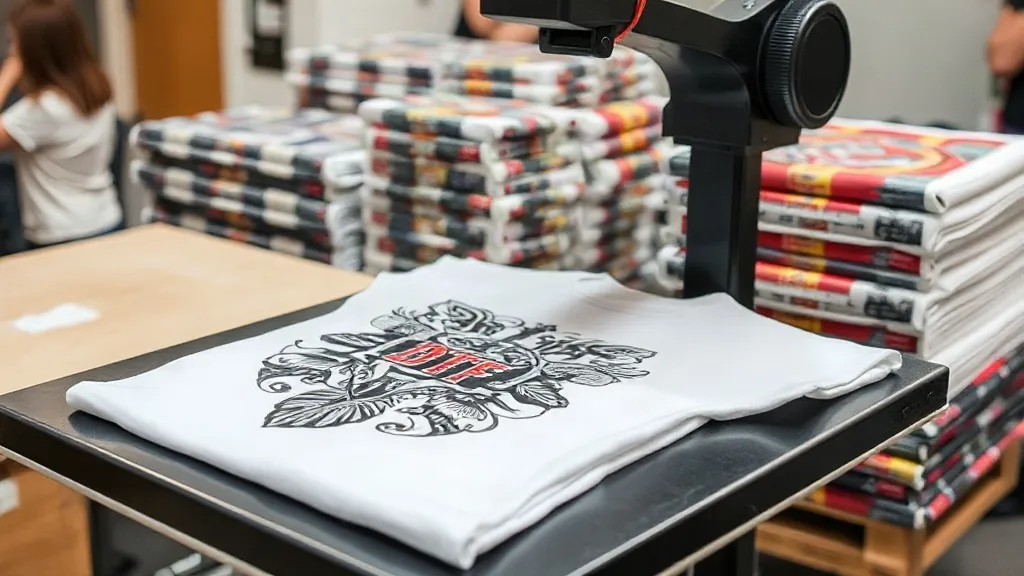
If you've been exploring custom apparel printing, you've likely encountered dtf transfers. This method has rapidly gained popularity for its versatility and vibrant results. Unlike traditional screen printing or vinyl, DTF (Direct to Film) printing allows you to transfer detailed, full-color designs onto almost any fabric, from cotton to polyester, without the need for specialized equipment. In this guide, we'll walk you through the entire process, share practical tips, and help you avoid common mistakes. Whether you're a hobbyist or a small business owner, understanding DTF transfers can open up a world of creative possibilities.
What Are DTF Transfers?
DTF transfers are printed designs on a special film that can be heat-pressed onto fabrics. The process involves printing your artwork onto a PET film using specialized dtf printers and inks. A powder adhesive is applied to the wet ink, which is then cured. The resulting transfer can be stored and later applied to garments using a heat press. This method is distinct from DTG (Direct to Garment) or sublimation because it works on a wide range of materials and doesn't require pre-treatment of the fabric.
Why Choose DTF Transfers?
There are several reasons why DTF has become a go-to for many in the custom apparel industry:
- Versatility: Works on cotton, polyester, blends, and even some non-fabric materials like canvas and denim.
- Durability: Prints are stretchable and resistant to cracking and fading.
- Vibrant colors: Achieve photo-realistic designs with fine details.
- No minimums: Ideal for one-off projects or small batches.
- Easy to use: With a heat press, application is straightforward.
The DTF Transfer Process Step by Step
Understanding each stage helps ensure success. Here's a breakdown of the workflow:
1. Design Preparation
Start with a high-resolution image (300 DPI recommended). Mirror the design horizontally because you'll be pressing it face-down onto the fabric. Ensure transparent backgrounds where needed, and consider color profiles: DTF printers use CMYK plus white ink, so colors may appear slightly different than on screen.
2. Printing
Using a DTF printer, the design is printed onto a special film. White ink is typically printed as a base layer to make colors pop on dark fabrics. The printer lays down CMYK and white ink in one pass.
3. Powder Application
While the ink is still wet, a hot-melt adhesive powder is sprinkled evenly over the design. Shake off excess powder, then cure the film under a heat source (usually a heat press or oven) until the powder melts and forms a smooth, slightly glossy layer.
4. Curing
Curing conditions vary by powder and ink, but generally, you'll press the film at around 160°C (320°F) for a short time. Proper curing ensures the adhesive bonds well and the print remains durable.
5. Transfer Application
Once cured, the transfer is ready to apply. Preheat your heat press to the recommended temperature (often 150-160°C). Place the garment on the press, position the transfer face-down, and press for 10-15 seconds with medium pressure. Let it cool completely before peeling the film. For matte finishes, peel while cold; for glossy, peel while hot (check your transfer's instructions).
Common Mistakes and How to Avoid Them
Even experienced users can run into issues. Here are some pitfalls to watch for:
- Insufficient pressure: Leads to poor adhesion. Make sure your heat press applies even pressure across the platen.
- Wrong temperature: Too hot can scorch the film or fabric; too cool means the adhesive won't activate. Use a infrared thermometer to verify.
- Peeling too early: Always allow the transfer to cool completely before peeling (unless using a hot-peel film).
- Uneven powder application: Excess powder can cause a rough texture; too little leads to weak bonding. Aim for a thin, even coat.
- Ignoring fabric compatibility: While DTF works on many fabrics, some stretchy or heat-sensitive materials may require lower temperatures or special handling.
Finding Quality DTF Transfers
If you're not ready to invest in a printer and powder system, you can order pre-made transfers. When searching for dtf transfers near me, consider the following: reputation, turnaround time, and material quality. Many suppliers offer custom transfers with quick shipping, allowing you to focus on design and application. Always request samples to test before committing to large orders.
Applications Beyond T-Shirts
DTF transfers aren't just for tees. They can be used on hoodies, tote bags, caps, and even shoes. The flexibility of the method means you can decorate items that were previously challenging with other printing techniques.
Frequently Asked Questions
How long do DTF transfers last?
With proper application and care, DTF prints can last as long as the garment itself. Wash inside out in cold water and avoid ironing directly on the print.
Can I use DTF transfers on dark fabrics?
Yes, DTF includes a white ink base that makes colors vibrant on dark materials.
Do I need a special printer for DTF?
Yes, DTF requires a printer that uses DTF inks and a powder shaker. However, you can purchase ready-to-press transfers from suppliers.
What is the best temperature for DTF transfer application?
Typically around 150-160°C (300-320°F), but always follow the transfer supplier's recommendations.
Can I stretch DTF prints?
DTF prints are stretchable and will move with the fabric without cracking, thanks to the elastic adhesive.